20 Easy Japanese Recipes to Elevate Your Cooking and Impress Your Guests

Are you ready to embark on a culinary adventure that brings the vibrant flavors of Japan right into your kitchen? Discover the art of Japanese cooking with these 20 easy-to-make recipes designed for both seasoned cooks and enthusiastic beginners. From sushi and ramen to matcha desserts, each dish promises a taste of Japan’s rich culinary tradition. Let’s explore!
Sushi Rolls

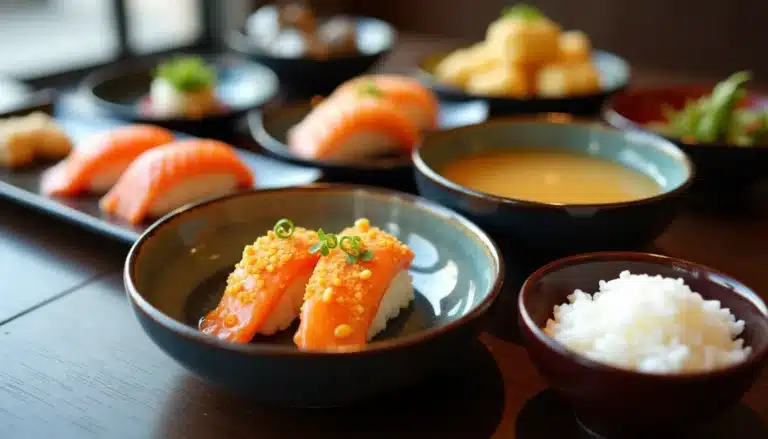
Making sushi rolls at home can be a delightful experience. Start with selecting the right type of rice; it should be short-grain and sticky. Fresh fish is key. You might choose tuna or salmon. Vegetables play a crucial role. Consider cucumber or avocado for a refreshing twist. These create the balanced base for your sushi rolls.
There are several types of sushi rolls to explore. Maki is the classic roll with seaweed on the outside. Uramaki, known as the inside-out roll, has rice on the outside. Temaki is a hand roll shaped like a cone. Each type offers a distinct taste and presentation, allowing you to experiment with different combinations.
Rolling sushi perfectly takes practice but is utterly rewarding. Use a bamboo mat to help guide the process and ensure even pressure. Wet the edge of the seaweed to seal the roll securely after filling it. Pay attention to filling proportion and positioning for a neat finish. Over time, you’ll roll sushi like a pro, impressing friends and family with your culinary skills.
Ramen Noodles
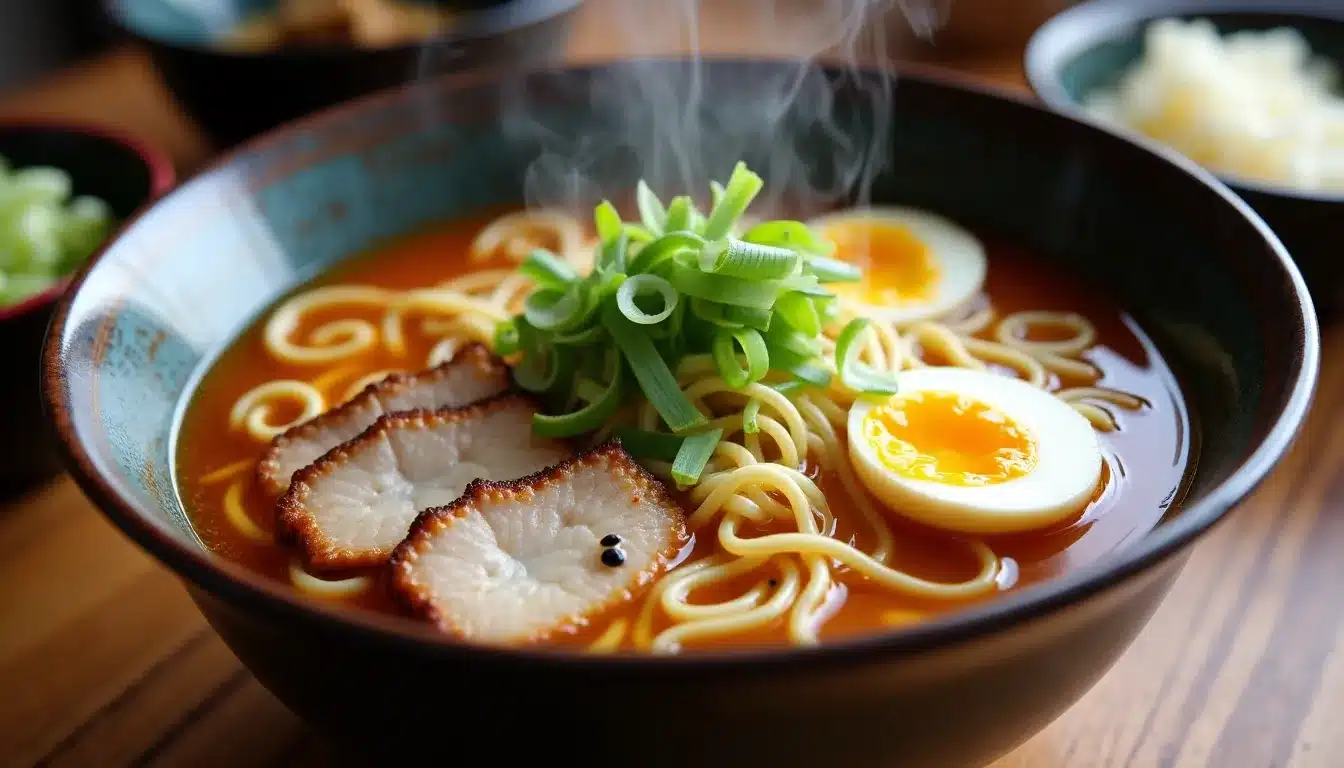
Dive into the comforting world of ramen noodles, a staple of Japanese cuisine. Crafting the perfect bowl starts with a flavorful broth, rich in umami. Whether you prefer a soy-based or pork bone broth, it’s the heart of an unforgettable ramen experience. Spend time building layers of flavor, using ingredients like kombu, bonito flakes, and miso to enhance the depth.
Choosing the right noodles is equally important. Opt for wheat-based noodles that hold their texture in the savory broth. You’ll find thin, curly noodles or thicker ones based on the regional style. Toppings are where you can personalize your ramen. Add soft-boiled eggs, sheets of rich seaweed, and tender slices of chashu pork. These elevate your meal from simple to extraordinary.
For a dynamic flair, include vibrant veggies like green onions, mushrooms, and corn. Don’t forget to sprinkle sesame seeds for added crunch! As a bonus, creating ramen at home allows you to tailor the dish to your dietary preferences, ensuring each bowl is not only delicious but aligns with your health goals.
Tempura
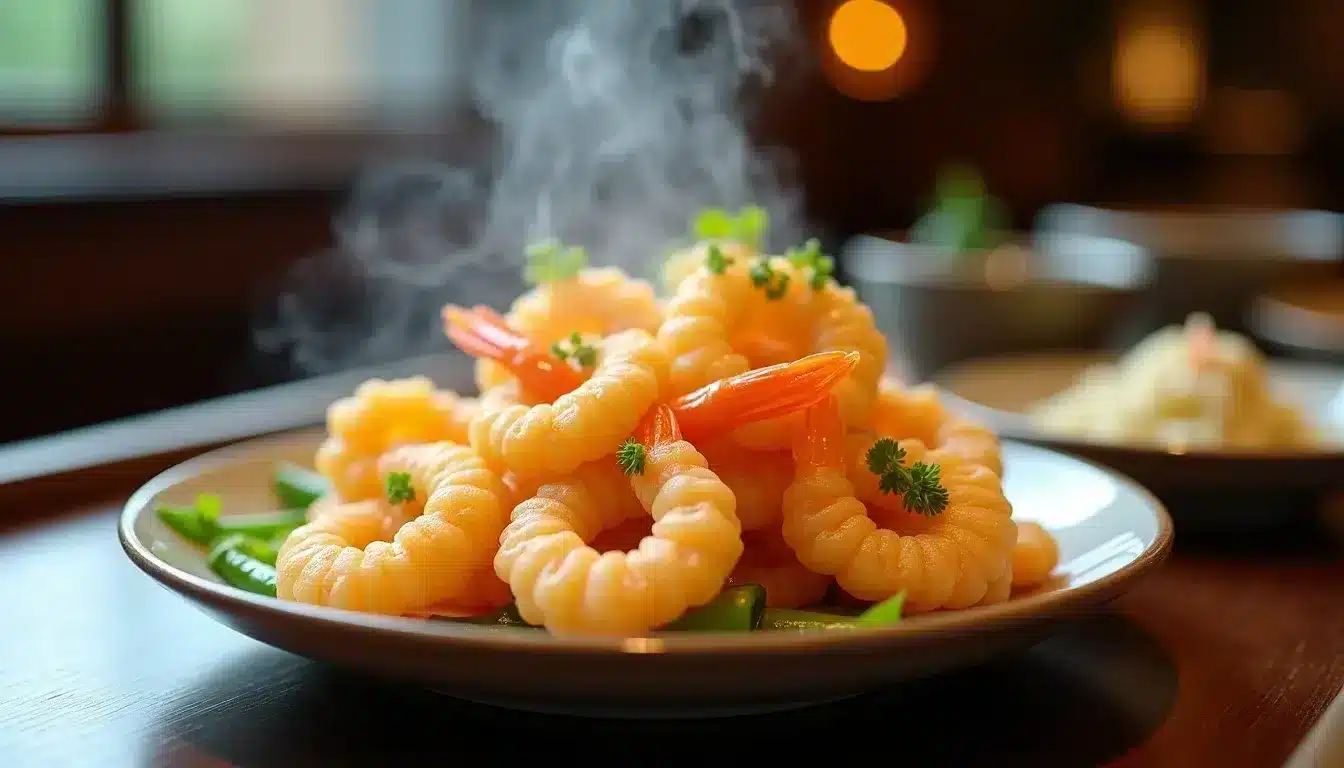
Tempura is a delightful Japanese dish that brings lightness and crunch to your dining experience. Creating the perfect tempura involves using a straightforward batter and selecting the freshest vegetables and seafood. Look for options like shrimp, sweet potatoes, and zucchini, which complement the light batter wonderfully. The goal is to achieve a delightful contrast between the crisp coating and the tender ingredients inside.
When it comes to frying, maintaining the right oil temperature is crucial. Keep it around 350°F to ensure a crisp, golden finish. The batter should be prepared just before frying to maintain its airy texture. Dip your ingredients lightly and fry in small batches for even cooking. The result? A beautifully crispy exterior that enhances the natural flavors of the filling.
Tempura is versatile and pairs well with various dipping sauces. A light soy sauce or a tangy ponzu adds a refreshing touch to this dish. Serve your tempura immediately for the best texture, and watch it become the highlight of your meal. Embrace this method, and you’ll find it a delightful addition to your repertoire of simple, yet sophisticated, Japanese recipes.
Teriyaki Chicken
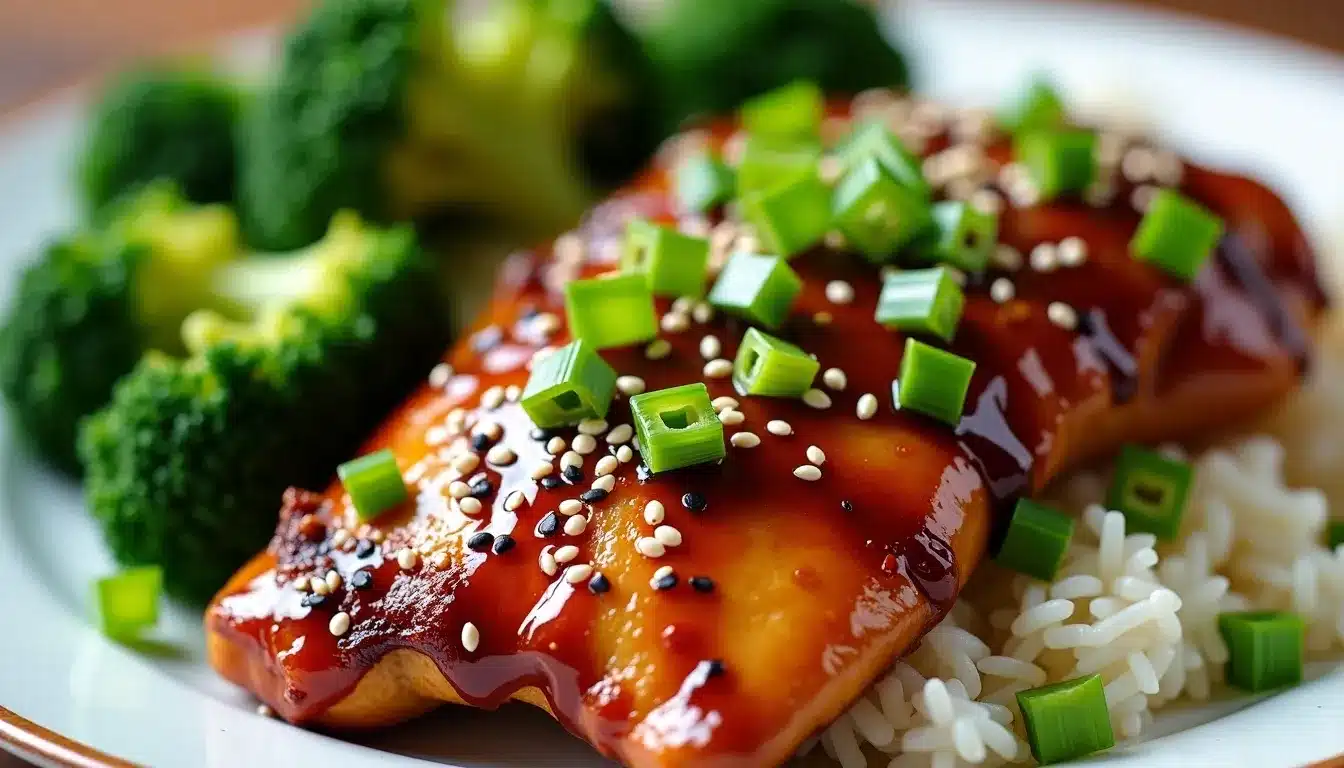
Mastering the art of making teriyaki chicken at home can be a rewarding experience. Start by creating a delicious teriyaki sauce: combine soy sauce, sake, mirin, and sugar. As the sauce simmers, it develops a beautiful balance of savory and sweet flavors. Choosing between chicken thighs and breasts, opt for whichever suits your taste; thighs offer richness while breasts are leaner.
Cooking the chicken to perfection is key. Sear it in a hot pan, allowing it to develop a beautiful golden crust. Then, add the teriyaki sauce to envelop the chicken, letting the flavors meld harmoniously. This dish can effortlessly become the centerpiece of a delightful meal, perfect for both gatherings and simple family dinners.
Pair teriyaki chicken with a side of rice or steamed vegetables to elevate your dining experience. The sweet and savory notes of the sauce complement various sides beautifully. For an extra touch, garnish with sesame seeds or chopped green onions. This meal is not just about its simplicity, but also about bringing a taste of Japan into your kitchen.
Miso Soup
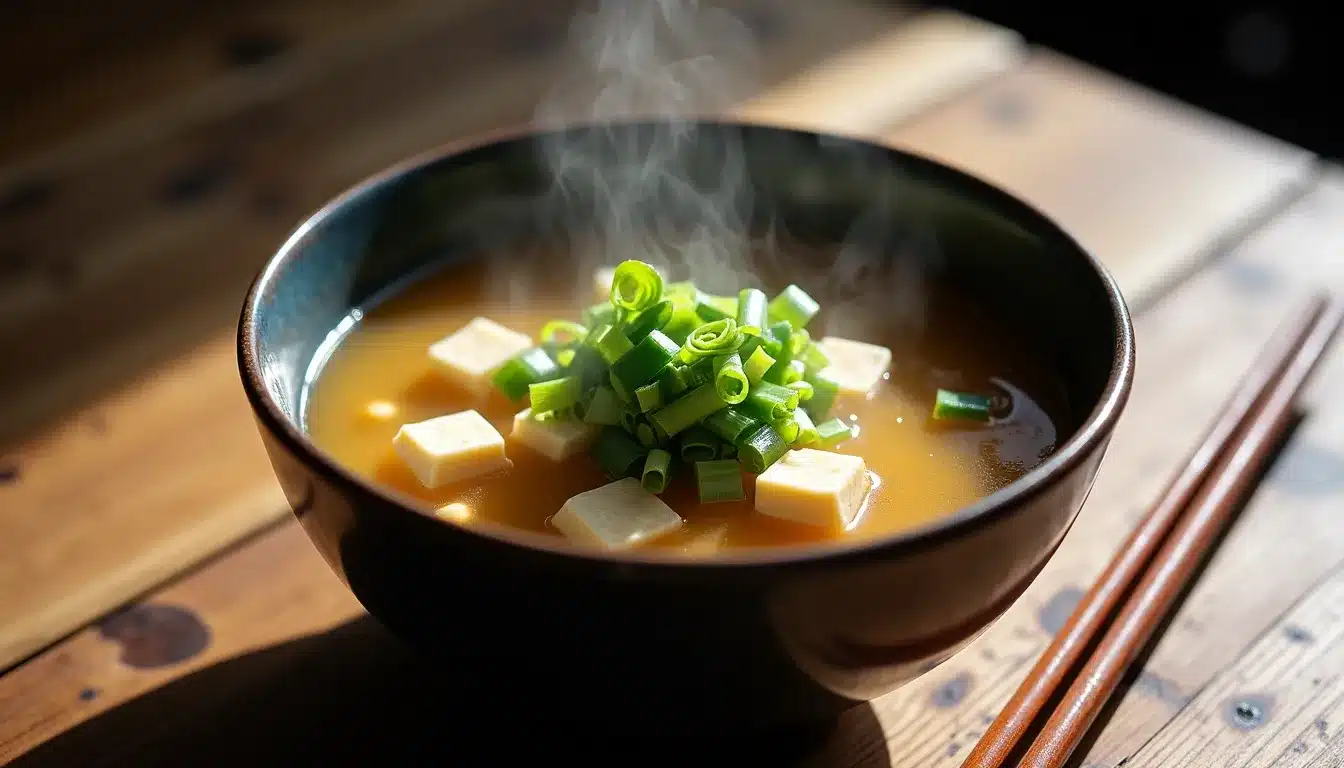
Unlock the essence of Japanese dining by creating a traditional miso soup. Begin with a flavorful dashi broth, which forms the foundation. Imagine the rich umami as you choose the right type of miso paste, whether red or white, to suit your taste. Dashi is easy to prepare; just steep bonito flakes and kombu in hot water, delivering a savory depth to your soup.
Add tofu, seaweed, and green onions for authenticity. The soft texture of tofu contrasts beautifully with the slight crunch of seaweed and the freshness of green onions. This combination makes miso soup a nourishing and delightful starter. Adjust the ingredients to fit your preference or try adding mushrooms or daikon radish for extra flavor.
Miso soup is not only simple but quick, perfect for the dynamic lifestyle of our young professionals or a comforting choice for those enjoying a moment of leisure. This Japanese staple bridges tradition and convenience, bringing a piece of Japan right to your kitchen table. Whether impressing guests or enjoying a quiet meal, miso soup is an excellent choice.
Okonomiyaki
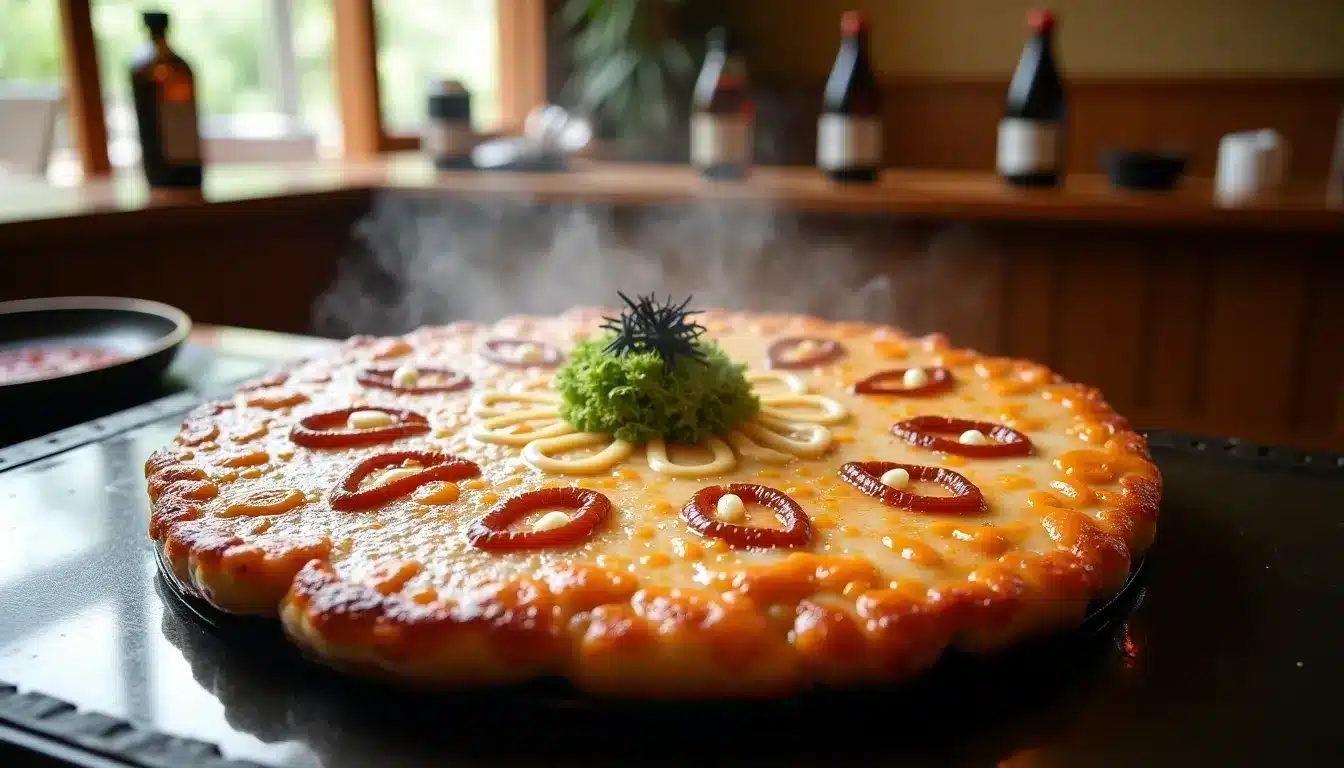
Delve into the delightful world of okonomiyaki, a savory Japanese pancake that offers a unique culinary experience. Start by whisking together a simple batter of flour, eggs, and dashi broth. This forms the base of your pancake, setting the stage for a medley of flavors. Feel free to customize your okonomiyaki with ingredients like shredded cabbage and a variety of seafood.
Adding fillings to your okonomiyaki is an exciting step. Traditional options often include chopped shrimp, squid, or thinly sliced pork. Once your fillings are ready, mix them into the batter. Ensure everything is evenly coated for consistent cooking. The secret is to balance flavors and textures, allowing each bite to be both crunchy and tender.
Cooking okonomiyaki requires a gentle touch. Heat a griddle or a large frying pan, greased lightly. Pour the mixture, shaping it into a thick pancake. Let it cook until golden brown on each side. Once perfectly crispy, top with okonomiyaki sauce and a sprinkle of bonito flakes. Serve hot for a truly authentic experience that delights your taste buds.
Gyoza Dumplings

Gyoza dumplings bring a delightful fusion of textures and flavors that are simply irresistible. To start, prepare a succulent filling by combining ingredients like ground pork, garlic, ginger, and finely chopped cabbage. These components create a harmonious blend that’s both savory and aromatic. Remember to season with soy sauce and sesame oil for that authentic Japanese taste.
Wrapping gyoza is an art that becomes easier with practice. Take a small amount of filling and place it in the center of a gyoza wrapper. Moisten the edges with water, fold them over, and pleat the edges to securely seal the dumpling. Don’t worry if it’s not perfect — each dumpling carries its unique charm and character.
The cooking technique involves both steaming and frying to achieve the perfect texture. Arrange the gyoza in a hot pan, then fry until the bottoms are golden and crispy. Finally, add a splash of water and cover with a lid to steam, ensuring the filling cooks thoroughly. Serve hot with a dipping sauce of soy sauce and rice vinegar or chili oil for an extra kick.
Japanese Curry
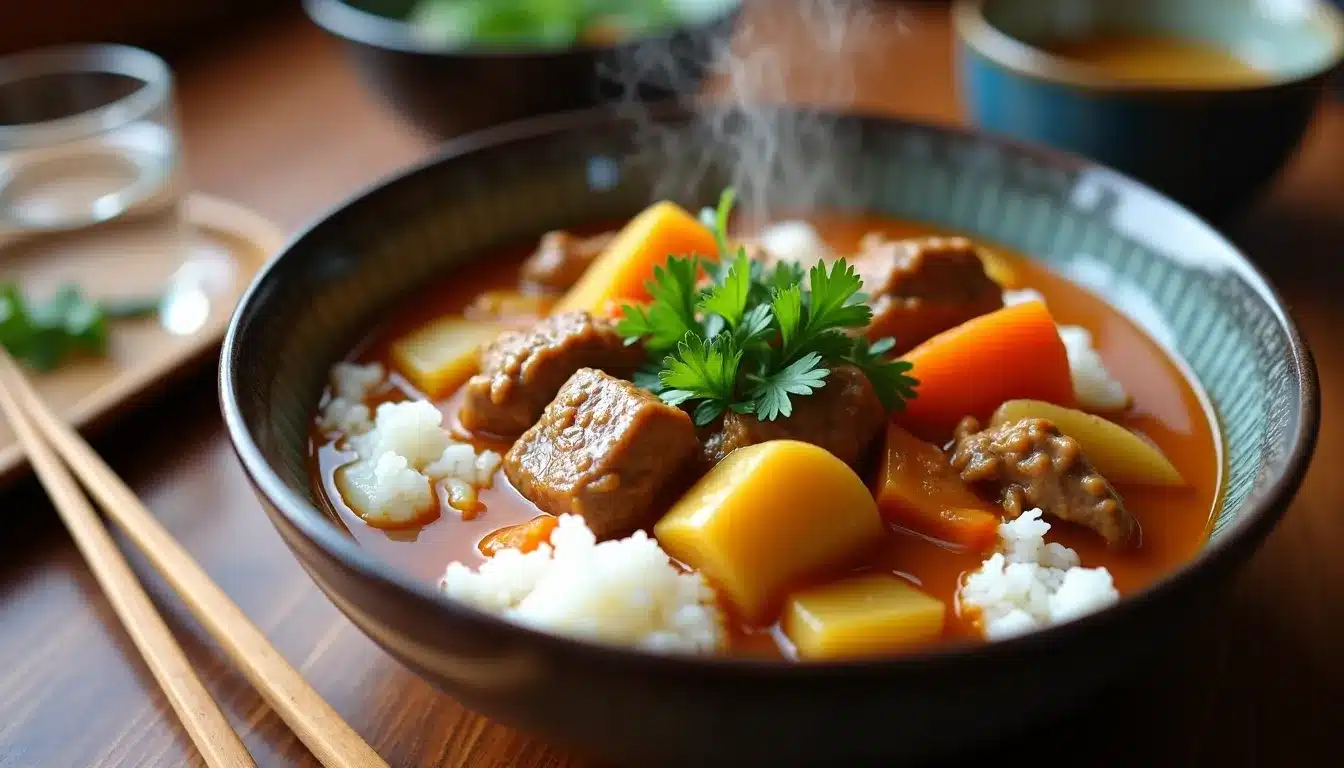
Japanese curry is a delightful twist on traditional curry dishes, offering a milder, slightly sweet profile that is perfect for a comforting meal. To prepare Japanese curry from scratch, start by making the curry roux—combining flour, curry powder, and oil or butter in a pan until it thickens. This step forms the base of the curry, providing its unique texture and flavor.
Enhance your Japanese curry by adding fresh vegetables and your choice of protein. Chicken is a popular option, lending a tender and juicy element to the dish. Alternatively, beef serves as a hearty counterpart, absorbing the curry flavors deeply. Common vegetables include carrots, potatoes, and onions, each contributing their own sweetness and earthiness as they simmer gently in the sauce.
For a successful Japanese curry experience, it’s important to let all ingredients meld together over a slow simmer. This allows the flavors to blend and deepen, offering a rich taste that comforts and satisfies. The final product is best enjoyed over a bed of steamed rice, creating a complete and fulfilling meal that echoes the warmth and vibrancy of Japanese home cooking.
Soba Noodles
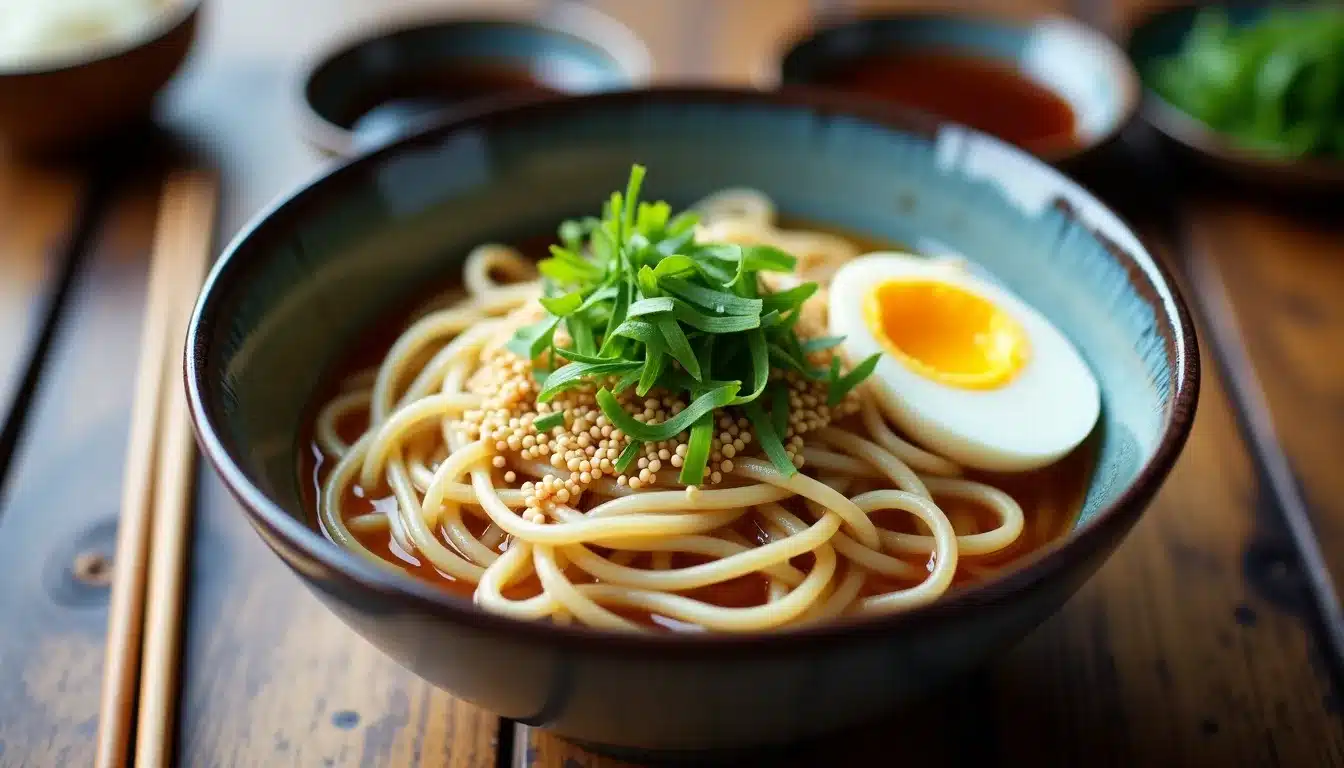
Soba noodles are a delightful staple in Japanese cuisine, crafted from buckwheat flour. They offer a nutty flavor and are known for their health benefits, making them perfect for a light meal. Cooking soba noodles to perfection involves boiling them briefly until tender yet firm. Ensure to rinse them well under cold water to remove excess starch, which keeps their texture just right.
Accompany your perfectly cooked soba with a refreshing dipping sauce. Typically made from a blend of soy sauce, mirin, and dashi, this sauce accentuates the natural flavors of the noodles. Simply dip your soba into the sauce for a burst of flavor in every bite. This easy-to-prepare dish is both nutritious and satisfying, reflecting the simplicity and elegance of Japanese cuisine.
For a personalized touch, enhance your soba meal with garnishes. Consider adding finely chopped green onions, a sprinkle of sesame seeds, or thinly sliced seaweed. These toppings add new dimensions of flavor and texture. This dish is not only nourishing but also quick to assemble, making it ideal for social gatherings or quiet dinner moments at home.
Yakitori

Picture this: savoring smoky, tender Japanese grilled chicken skewers called yakitori. The secret lies in the marinade, a delightful concoction of soy sauce, mirin, and sugar. Once you’ve prepped your chicken into uniform pieces, let them soak up these rich flavors. A few hours or overnight, and you’ll be ready to impress your guests with irresistibly juicy skewers.
Time to assemble! Thread the marinated chicken onto skewers, adding pieces of green onion in between for a pop of freshness. Ensure each skewer is evenly filled. When grilling, maintain a medium heat, rotating frequently. This ensures even cooking and a caramelized exterior. Your patience will pay off as the skewers develop a smoky aroma and golden-brown crust.
Here’s a tip for perfect yakitori: baste the chicken with leftover marinade during grilling. This adds layers of flavor and a glossy finish. Serve your yakitori with a sprinkle of sesame seeds or a side of dipping sauce, and watch how quickly they disappear. Simple yet elegant, this dish is a crowd-pleaser, blending rich flavors with minimal effort.
Onigiri
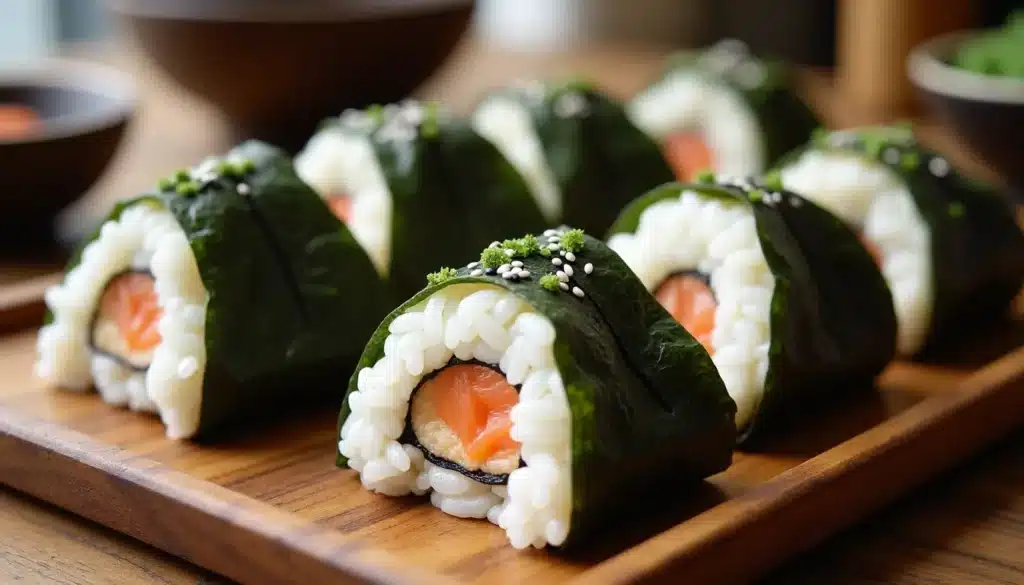
Embark on a journey into the art of making onigiri, the simple yet versatile Japanese rice balls. They are easy to craft and make an ideal snack or light meal, packed with flavor and easily customizable. Start by choosing your preferred grains, although many opt for traditional sticky rice due to its perfect consistency for shaping. Once cooked, let the rice cool to a comfortable handling temperature.
Shape the rice into a ball or triangle in your hands, gently compacting it so it holds together well. Choose your fillings like savory salmon, comforting pickled plum, or even a mix of vegetables, and tuck them inside the rice. This simple yet fulfilling process is satisfying and offers a range of flavors to explore. Finally, wrap the creation in seaweed for a touch of umami and convenience.
Presentation is essential, especially with food that looks as inviting as onigiri. Consider varying the arrangement with different fillings and seasoning the rice with sesame seeds or herbs. This adds both flavor and visual appeal, perfect for impressing guests. Whether for a picnic or a quick lunch, these rice balls bring a taste of Japan to your everyday cooking adventure.
Matcha Desserts

Discover the versatile world of matcha by incorporating this finely ground green tea powder into your desserts. Its vibrant color and unique flavor make it perfect for creating standout treats. Start with matcha ice cream, which offers a smooth, creamy texture with an earthy sweetness. Making it at home allows you to adjust the intensity, ensuring it’s perfectly suited to your taste.
Dive into baking with matcha cookies, the ideal combination of crispy edges and a tender center. The matcha not only perfumes the cookies but also infuses them with its characteristic hue. They’re a hit both as a snack and at gatherings, providing a twist on the usual cookie experience. Don’t forget matcha mochi, which pairs the soft chewiness of mochi with the delicate flavor of matcha.
These matcha treats are straightforward and quick to make, ideal for busy lifestyles or relaxed retirees who enjoy trying new recipes. Each recipe highlights the distinctive qualities of matcha, bringing a touch of Japan to your kitchen. Engage your taste buds and impress guests effortlessly with these simple yet elegant matcha-infused desserts.
Tonkatsu
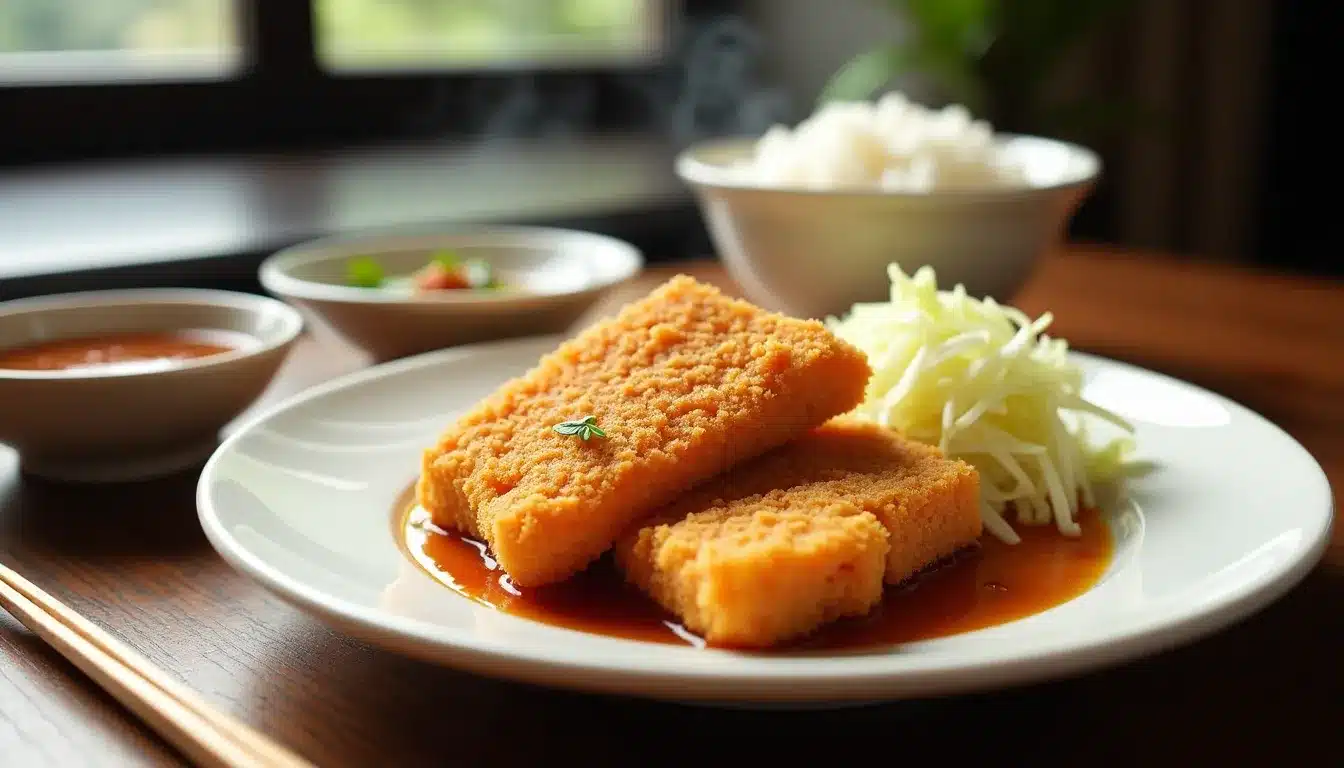
Tonkatsu is a delightful Japanese dish that features a breaded and deep-fried pork cutlet. Begin by selecting a tender cut of pork, usually pork loin or tenderloin, and season it with a pinch of salt and pepper. For that irresistible crispy exterior, coat the pork in flour, dip it in beaten eggs, and then cover it with panko breadcrumbs.
When frying, ensure the oil is hot enough to achieve a golden-brown crust. The secret to perfectly frying tonkatsu is patience; fry the cutlets until they are golden and crispy on both sides. Once cooked, drain them on paper towels to remove excess oil. Serve with a side of shredded cabbage for a refreshing crunch.
Tonkatsu isn’t complete without its signature tangy sauce. You can easily find store-bought tonkatsu sauce, or whip up a quick version with ketchup, Worcestershire sauce, and a splash of soy sauce. Drizzle the sauce over the cutlet for a delicious combination of flavors. Pair it with steamed rice, and you have an easy yet satisfying meal that’s bound to be a hit at your dining table.
Sukiyaki
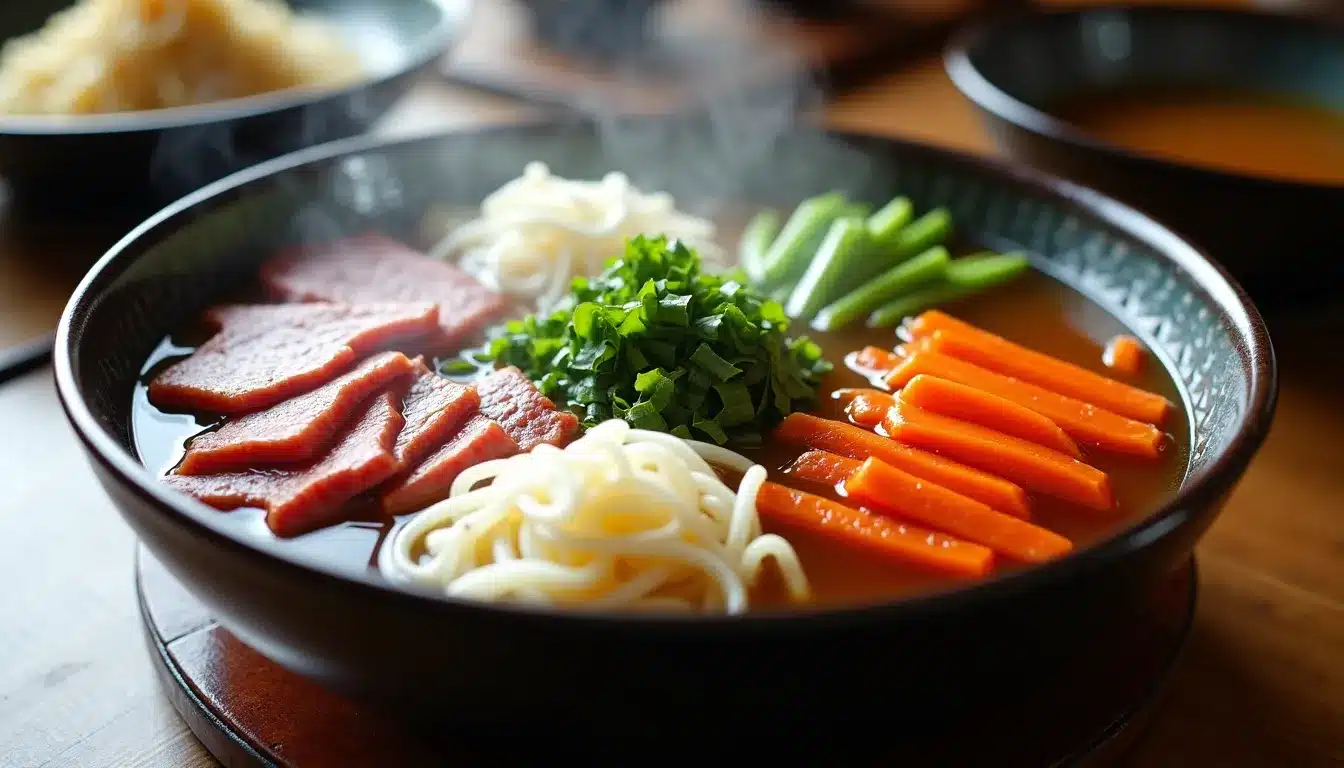
Sukiyaki is a beloved Japanese hot pot dish that’s perfect for gathering friends and family around the table. It features thin slices of beef simmered in a sweet-savory broth. Start by preparing a rich broth using soy sauce, sugar, and mirin. Choosing the right cut of beef, like ribeye or sirloin, is key to achieving tenderness and flavor.
Add an array of seasonal vegetables such as napa cabbage, mushrooms, and scallions. For added texture and taste, include tofu and shirataki noodles. As the ingredients cook in the bubbling broth, the flavors meld beautifully. It’s a communal meal where diners can pick the simmered items directly from the pot, making each bite warm and satisfying.
Sukiyaki is traditionally cooked at the table in a shallow iron pot, enhancing the interactive dining experience. It’s often enjoyed during colder months, providing warmth and comfort. To elevate your sukiyaki, consider serving it with a side of raw egg for dipping the cooked beef, a classic touch that adds richness and depth to each mouthful.
Tamagoyaki

Tamagoyaki is a delightful addition to any breakfast or bento box. This Japanese rolled omelet merges sweet and savory flavors, creating a unique taste experience. To make tamagoyaki, start by whisking together eggs, sugar, soy sauce, and mirin. The balance of these ingredients gives the dish its irresistible taste.
Using a special rectangular pan, pour a thin layer of the egg mixture and let it cook slightly. Begin to roll it to one side before adding more egg mixture. Repeat this process until all the mixture is used. Rolling can be tricky at first, but practice makes perfect. Serve tamagoyaki sliced, making it easy to enjoy.
Whether you’re hosting a brunch or packing lunch, tamagoyaki brings a burst of flavor to your table. Its simplicity and rich taste make it a favorite. Experiment with different fillings, like seaweed or cheese, to add a personal touch. Pair it with rice or a light salad for a full meal.
Udon Noodles
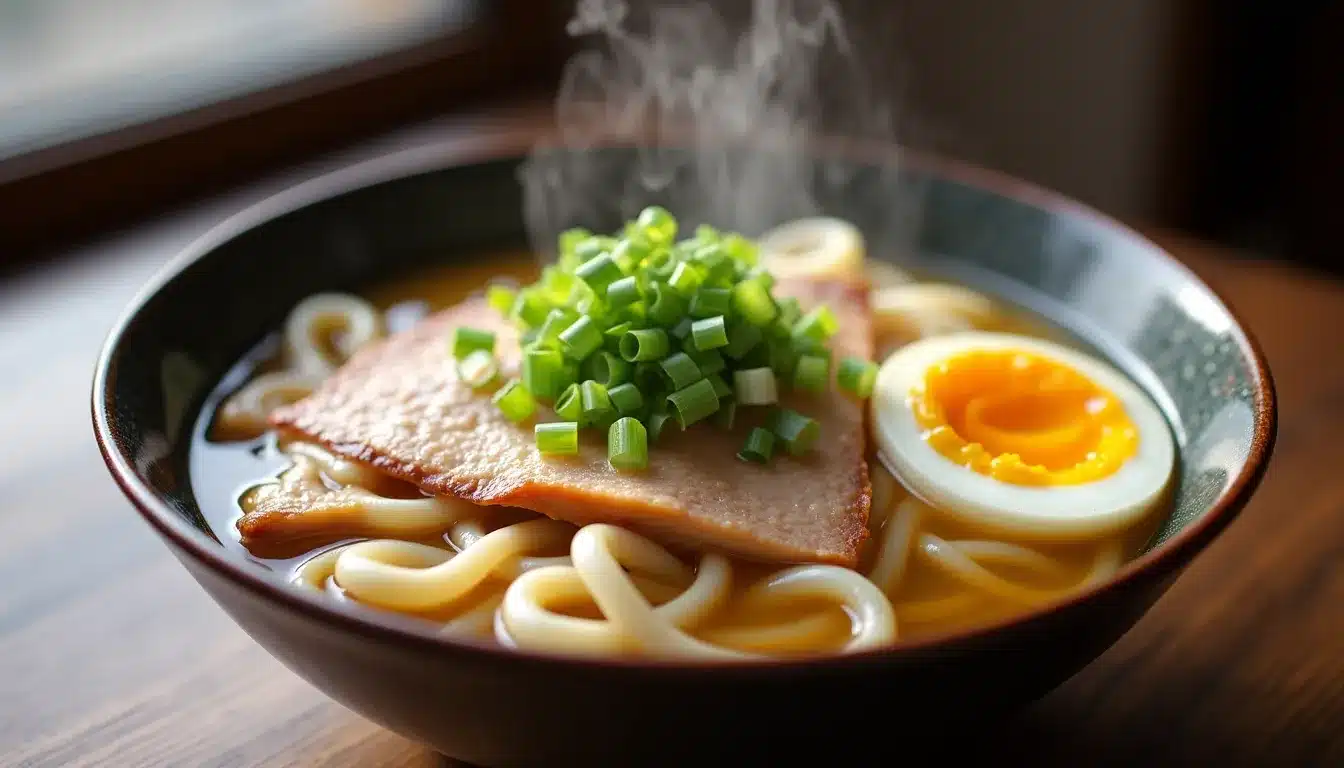
Udon noodles are a comforting staple in Japanese cuisine, known for their thick, chewy texture and versatility. Making these delightful noodles from scratch can be a rewarding experience. Start by combining flour, water, and salt to create a smooth dough. Knead thoroughly and let it rest, allowing the gluten to develop, before rolling it out and cutting into your preferred noodle thickness.
To enhance the udon experience, prepare a simple yet aromatic broth. Begin with a base of dashi, a traditional Japanese stock, and incorporate soy sauce, mirin, and a hint of sugar for sweetness. Simmer these ingredients together, embracing the rich umami flavors. Once your broth is ready, boil the noodles until tender, then combine them with the broth for a delicious and satisfying meal.
Feel free to personalize your udon with various toppings. Popular choices include sliced green onions, a boiled egg, or tempura. Experiment with seasonal vegetables or proteins for added nutrition. This flexibility makes udon a delightful dish that can adapt to different tastes, ensuring every bowl is a comforting culinary journey.
Katsu Curry
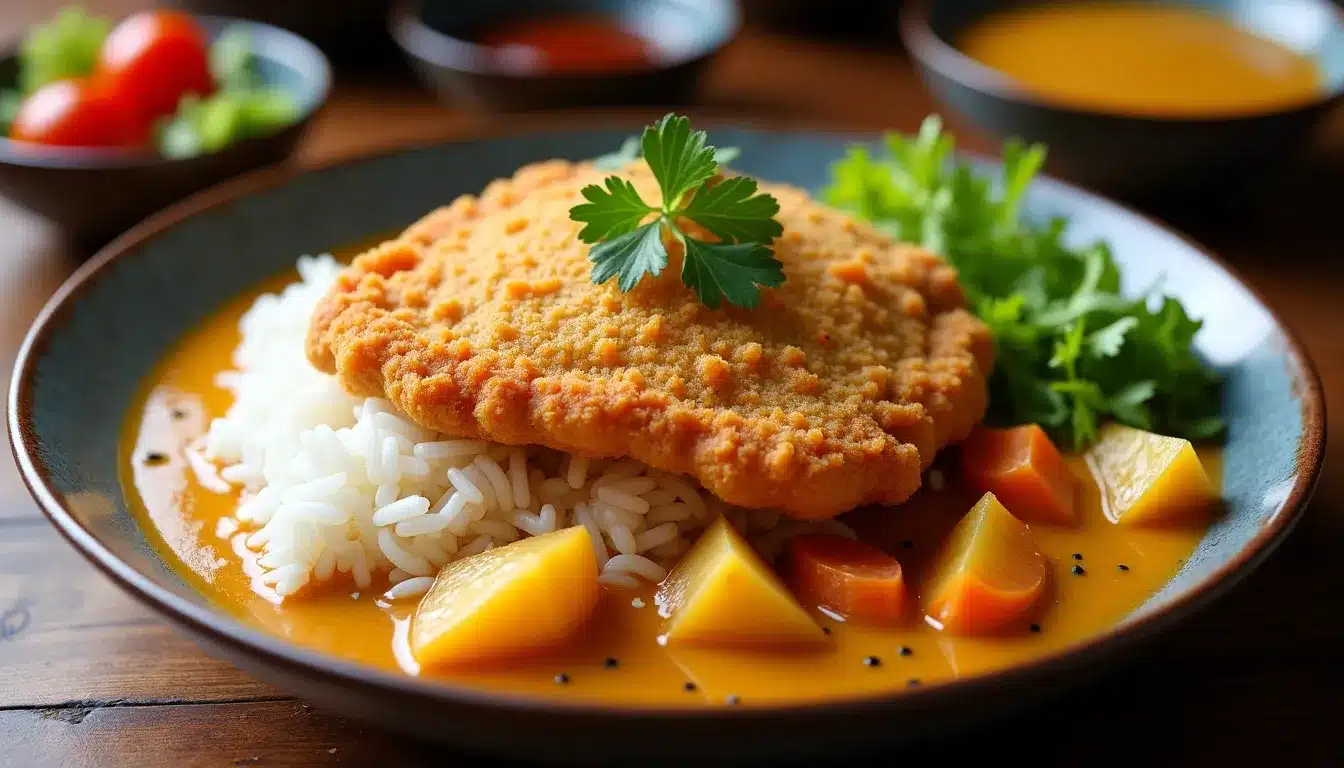
Combine the delightful flavors of crispy katsu and rich curry to create the perfect katsu curry dish. Start by preparing the curry sauce with a base of onions, carrots, potatoes, and a touch of ginger for warmth. Let the vegetables simmer until tender. Then, add curry roux blocks, stirring them in to create a smooth, aromatic sauce that pairs perfectly with a breaded cutlet.
Frying the cutlet to perfection is crucial for that satisfying crunch. Choose between a pork or chicken cutlet, seasoning it lightly with salt and pepper before coating it in flour, egg, and panko breadcrumbs. Fry in hot oil until it reaches a golden brown crust. Drain on paper towels to ensure any excess oil is removed, keeping it crispy and delicious.
To serve your katsu curry, slice the crispy cutlet and arrange it over a bed of steaming hot rice. Pour the luscious curry sauce generously over the top, allowing it to seep into the rice and enhance every bite. The combination of crunchy cutlet, hearty sauce, and fluffy rice is sure to impress both family and guests alike.
Chawanmushi

Discover the delightful world of chawanmushi, a savory Japanese egg custard that brings a unique richness to your meals. To create the perfect custard, start by whisking eggs with dashi broth, soy sauce, and mirin, ensuring a smooth texture. This versatile dish can include ingredients such as shrimp, mushrooms, and even chicken slices for added depth, adapting to both traditional and modern tastes.
Once your custard mixture is ready, pour it into small bowls and add the fillings of your choice. These flavor-packed bowls are then gently steamed until the custard achieves a silky, pudding-like consistency. Keeping an eye on the cooking time is crucial for maintaining the delicate balance of flavors without overcooking or breaking the custard.
Whether you are entertaining guests or treating yourself to an elegant meal, chawanmushi offers a wonderful blend of simplicity and sophistication. Its creamy, savory taste is not just comforting but also incredibly satisfying, making it an ideal addition to both casual dinners and festive gatherings. The art of creating chawanmushi lies in its subtle flavors and smooth texture, making it a delightful exploration of Japanese culinary tradition.
Tonkotsu Ramen
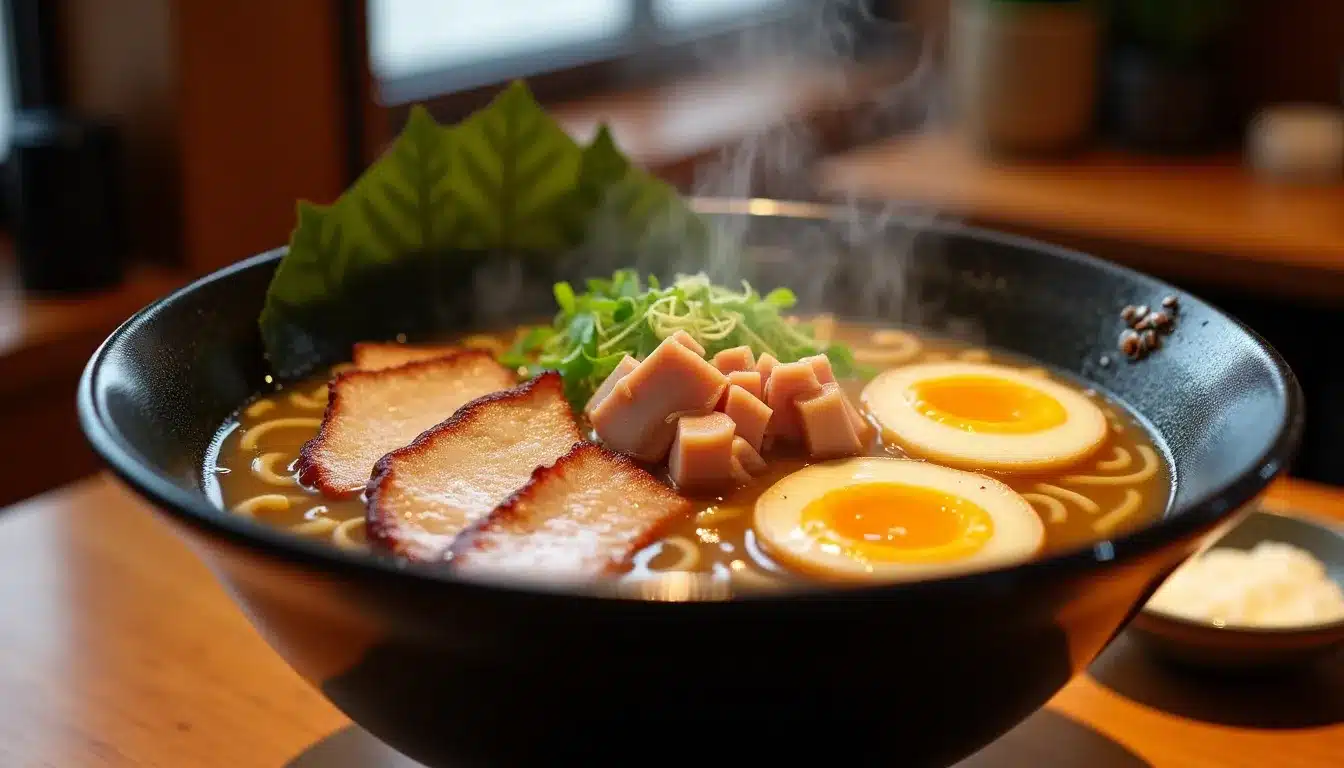
Indulge in the rich flavors of tonkotsu ramen, a dish that brings comfort in every bite. This savory delight starts with a creamy pork bone broth, simmered for hours to extract its deep umami essence. Preparing this broth requires patience, but the result is worth it—it’s the soul of the ramen, enveloping each noodle in its warmth.
Cooking the noodles to the perfect texture is crucial. They should be firm yet tender, ready to soak up the broth’s flavors. Toppings like chashu pork and bamboo shoots enhance the dish, offering a variety of textures and tastes. Assemble your ramen bowl with care, placing each element thoughtfully for a delightful dining experience.
Here’s a simple guide to get you started on your tonkotsu ramen journey:
- Prepare and simmer the pork bone broth.
- Cook the noodles until they’re just right.
- Slice chashu pork and bamboo shoots.
- Assemble everything in a bowl, starting with the broth.
- Add toppings carefully and serve hot.
Enjoy this hearty meal that warms more than just your stomach—it’s a taste of culinary dedication and tradition right at home.
Karaage

Karaage is a delightful Japanese dish that brings a burst of flavor to your kitchen. This Japanese fried chicken is incredibly crispy thanks to a simple coating of potato starch. Start by marinating the chicken pieces in a mix of soy sauce, ginger, and garlic for that unmistakable depth of taste. A quick tip from my own kitchen: let the chicken soak overnight for an intensified flavor.
Next, coat the marinated chicken in potato starch, which makes the skin extra crispy when fried. In my experience, double coating ensures the perfect texture, as it locks in moisture while creating a crunchy shell. When you’re ready to fry, immerse the chicken in hot oil until golden brown. The satisfying sizzle will fill your home with a comforting aroma.
Karaage makes for a fantastic starter or can even stand alone as a main dish. Serve it with lemon wedges and a side of fresh greens for a balanced meal. When I host friends, Karaage is a hit with both adults and kids alike. Easy to prepare with few ingredients, this dish adds an impressive touch to any gathering, combining simplicity with a traditional Japanese flair.
Exploring Japanese cuisine at home is a journey of flavors and techniques. From crafting sushi to savoring tonkotsu ramen, each dish offers a unique culinary experience. Discover the joy of simplicity with these recipes that connect tradition and taste, bringing delightful, homemade Japanese meals into your everyday life. Embrace this adventure, and let your kitchen be a gateway to Japan.
SEND THIS RECIPE TO YOUR EMAIL!
Enter your email and I’ll send it to your inbox. Plus, you’ll get new recipes every week!
20 Easy Japanese Recipes to Elevate Your Cooking and Impress Your Guests
Prep time: not specified
Servings: not specified
Calories: Kcal
Cuisine: Japanese
Ingredients
1 cup (short-grain rice for sushi),
Tuna (for sushi filling) or Salmon (for sushi filling),
Cucumber (for sushi filling) or Avocado (for sushi filling),
Seaweed (for sushi roll wrapping),
Soy-based broth or Pork bone broth (for ramen),
Kombu (for ramen broth enhancement),
Bonito flakes (for ramen broth enhancement),
Miso (for ramen broth enhancement),
Soy sauce (for ramen broth and teriyaki sauce),
Chashu pork slices (for ramen topping),
Green onions (for ramen topping),
Mushrooms (for ramen topping),
Corn (for ramen topping),
Sesame seeds (for ramen topping or teriyaki chicken garnish),
Shrimp (for tempura),
Sweet potatoes (for tempura),
Zucchini (for tempura),
Tempura batter,
Soy sauce (for tempura dipping sauce),
Ponzu (for tempura dipping sauce),
Chicken thighs or Breasts (for teriyaki chicken),
Sake (for teriyaki sauce),
Mirin (for teriyaki sauce),
Sugar (for teriyaki sauce),
Rice (to accompany teriyaki chicken),
Steamed vegetables (to accompany teriyaki chicken),
Dashi broth (for miso soup),
Red or White miso paste (for miso soup),
Tofu (for miso soup),
Seaweed (for miso soup),
Shredded cabbage (for okonomiyaki),
Chopped shrimp, Squid, or Thinly sliced pork (for okonomiyaki filling),
Flour (for okonomiyaki batter),
Eggs (for okonomiyaki batter),
Ground pork (for gyoza filling),
Garlic (for gyoza filling),
Ginger (for gyoza filling),
Finely chopped cabbage (for gyoza filling),
Soy sauce (for gyoza filling),
Sesame oil (for gyoza filling),
Gyoza wrappers,
Flour (for curry roux in Japanese curry),
Curry powder (for curry roux in Japanese curry),
Oil or Butter (for curry roux in Japanese curry),
Chicken or Beef (for Japanese curry),
Carrots (for Japanese curry),
Potatoes (for Japanese curry),
Onions (
Instruction :
Start with selecting the right type of rice; it should be short-grain and sticky. Fresh fish is key. Consider cucumber or avocado for a refreshing twist. Use a bamboo mat to help guide the process and ensure even pressure. Wet the edge of the seaweed to seal the roll securely after filling it. Spend time building layers of flavor, using ingredients like kombu, bonito flakes, and miso to enhance the depth. Opt for wheat-based noodles that hold their texture in the savory broth. Add soft-boiled eggs and sheets of rich seaweed. Keep the oil around 350°F to ensure a crisp, golden finish. The batter should be prepared just before frying to maintain its airy texture. Sear it in a hot pan, allowing it to develop a beautiful golden crust. Add the teriyaki sauce to envelop the chicken. Begin with a flavorful dashi broth, which forms the foundation. Add tofu, seaweed, and green onions for authenticity. Start by whisking together a simple batter of flour, eggs, and dashi broth. Mix them into the batter. Heat a griddle or a large frying pan, greased lightly. Pour the mixture, shaping it into a thick pancake. Let it cook until golden brown on each side. Prepare a succulent filling by combining ingredients like ground pork, garlic, ginger, and finely chopped cabbage. Arrange the gyoza in a hot pan, then fry until the bottoms are golden and crispy. Start by making the curry roux