12 Irresistible Vegetarian Japanese Recipes to Delight Your Taste Buds
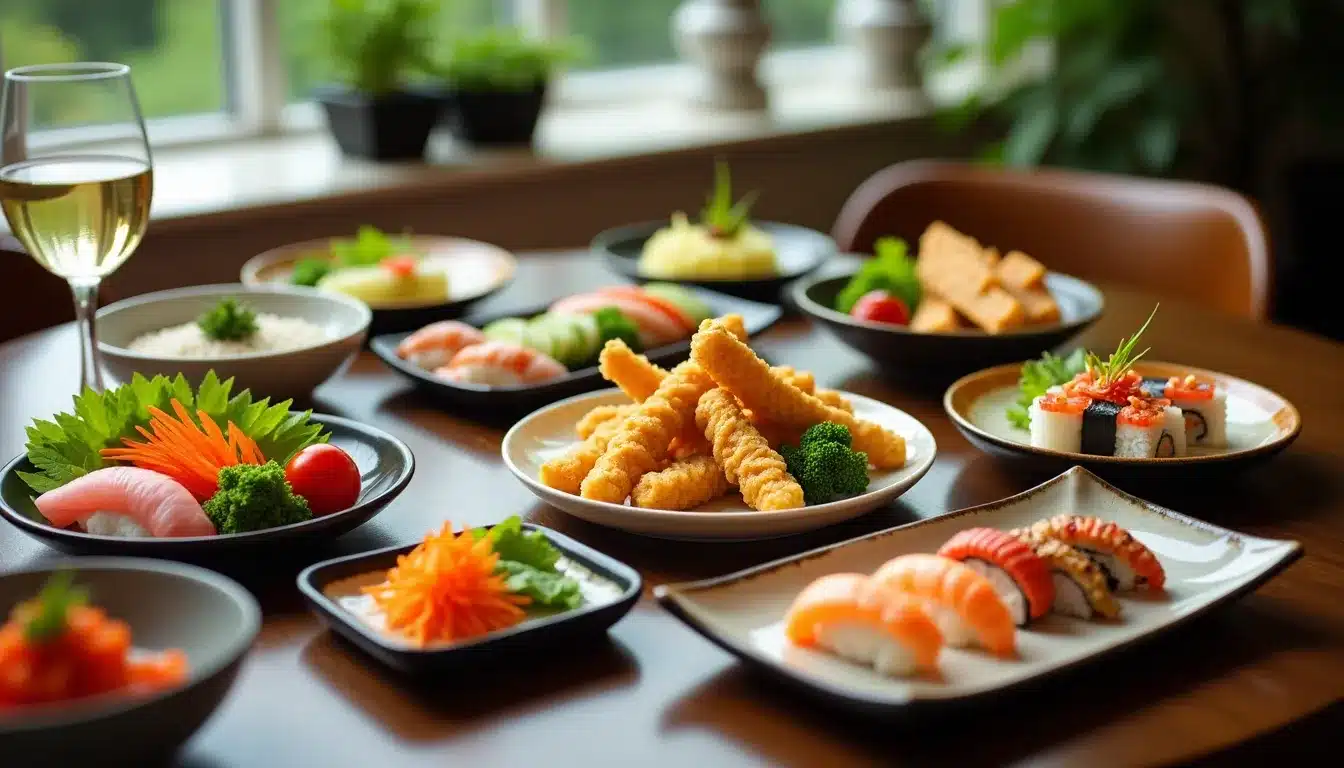
Are you curious to explore the vibrant world of Japanese vegetarian cuisine without spending hours in the kitchen? Dive into these 12 easy recipes that promise exciting flavors and beautiful presentation. From crispy tempura to comforting miso soup, these dishes will bring the essence of Japan to your home, delighting both you and your guests!
Vegetable Tempura

Embark on a culinary adventure with vegetable tempura, a delightful Japanese dish known for its light and crispy texture. Selecting the right vegetables is key; consider using sweet potatoes, bell peppers, zucchini, and mushrooms. These veggies provide a delightful contrast in flavors and colors. Paired with a perfect tempura batter, they create a symphony of taste and texture that’s both satisfying and visually appealing.
Mastering the art of tempura lies in creating a batter with just the right consistency. Combine ice-cold water with flour and a pinch of cornstarch to achieve a light and airy coating. The batter should be kept lumpy to ensure crispiness. When frying, maintain the oil temperature at approximately 350°F to achieve that golden, non-greasy finish. These steps ensure your tempura remains crunchy and delicious.
For an added touch of flavor, try a dipping sauce. Mix soy sauce, mirin, and a dash of ginger. Serve your vegetable tempura hot, accompanied by this simple yet delicious dip. Perfect for gatherings, this dish will impress your guests without keeping you in the kitchen too long. With these tips, you’ll serve a crowd-pleasing dish everyone will remember.
Tofu Teriyaki
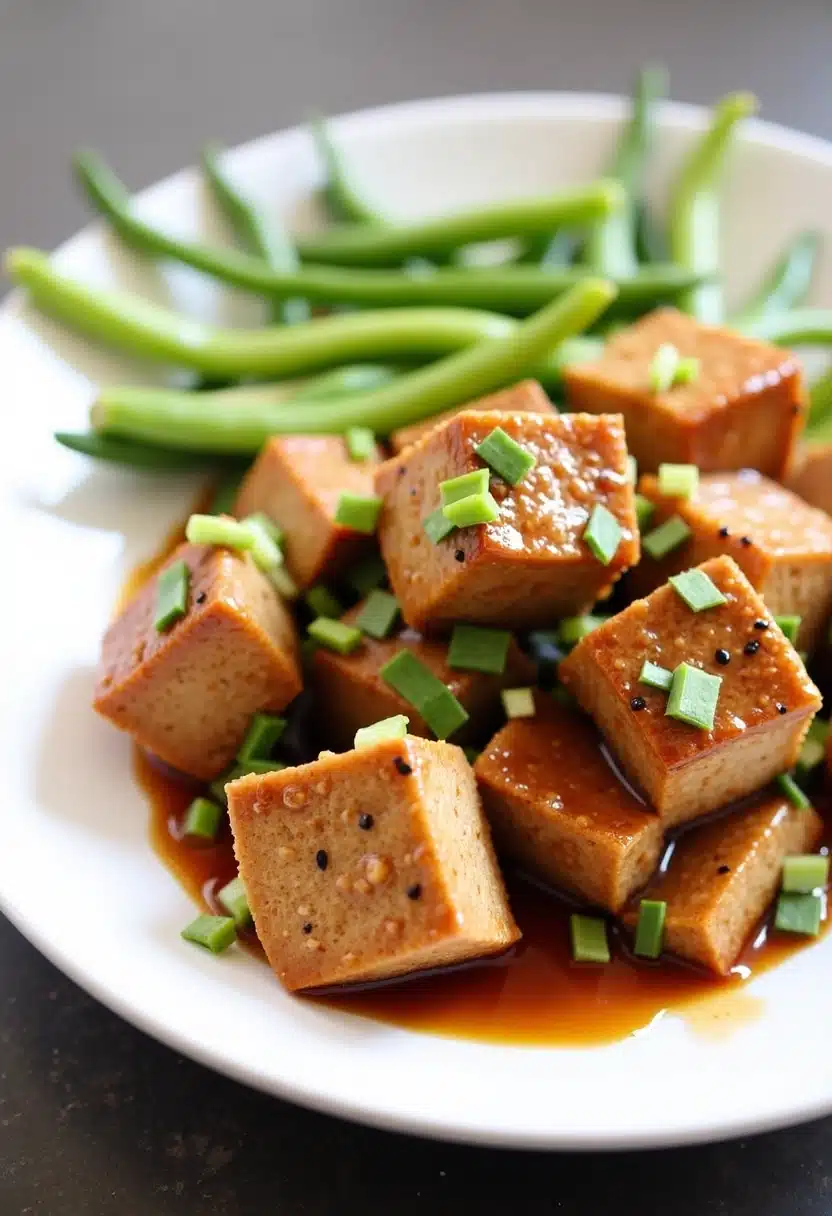
Dive into the delicious and satisfying world of tofu teriyaki, a significant favorite in Japanese vegetarian cuisine. Achieving the perfect balance of sweet and savory teriyaki glaze is key. Start with a rich blend of soy sauce, mirin, and a touch of sugar for that delightful sweetness. The velvety glaze perfectly complements the texture of tofu when pan-seared.
To master pan-searing, ensure your tofu is pressed and dried, ready to absorb all those delicious flavors. This technique gives the tofu a crispy exterior while maintaining a tender interior. Pair it with steamed vegetables or rice for a wholesome and easily prepared meal, showcasing the rich depth of flavors that simple ingredients can provide.
Try experimenting with additional spices or herbs like ginger or sesame seeds to personalize your tofu teriyaki. This meal is perfect for professionals seeking quick, flavorful options or for those enjoying their culinary journey in retirement. Discover the magic of transforming basic ingredients into mouthwatering experiences in your kitchen.
Miso Soup with Tofu and Seaweed
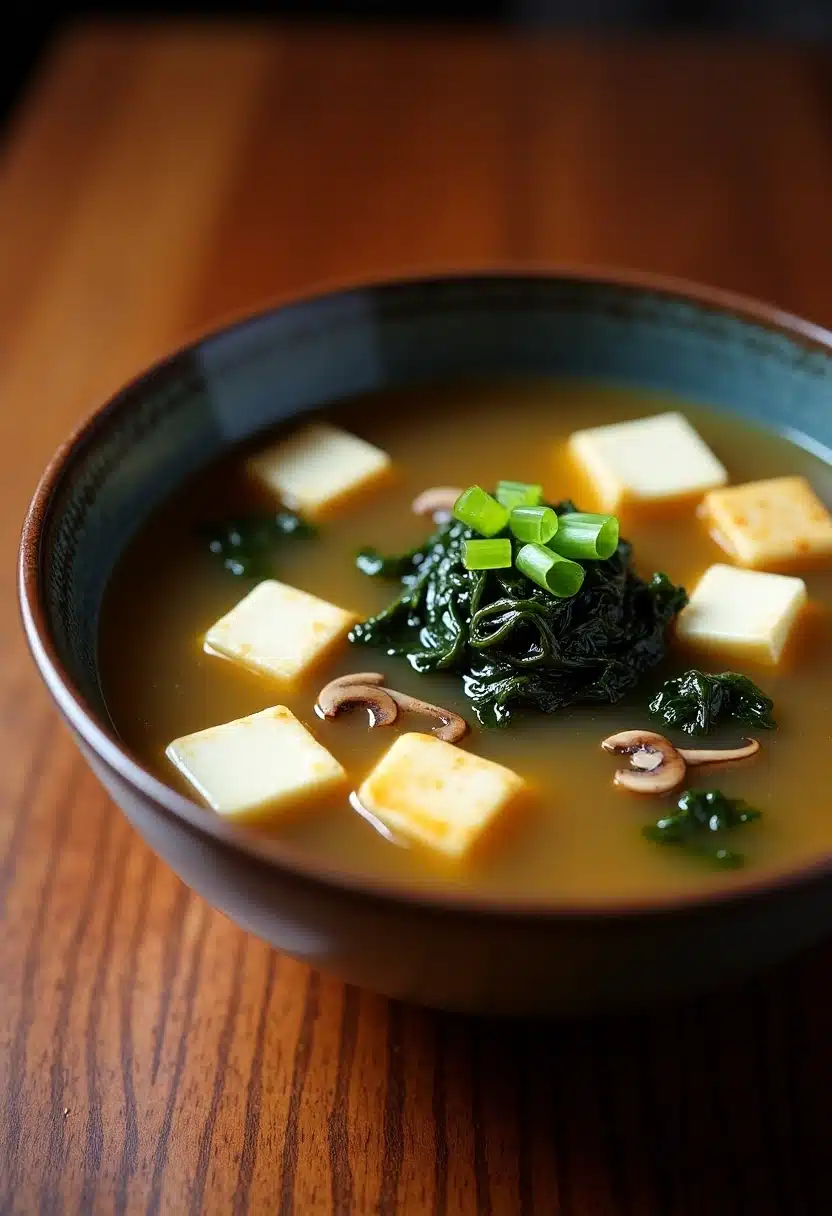
Miso soup is a comforting embrace in a bowl, perfect for those chilly evenings or when you’re craving something nourishing. By using a vegetarian-friendly dashi base, you maintain the traditional umami flavor without fish. Dashi might sound intimidating, but it’s straightforward. All you need are kombu and shiitake mushrooms. These ingredients infuse the broth with a depth that is both rich and inviting, making every spoonful a delight.
When it comes to miso paste, the variety you choose can subtly change the soup’s flavor. White miso is mild and sweet, while red miso offers a stronger taste. Adding cubes of tofu and bits of seaweed not only enhances the texture but boosts the dish’s nutritional value. These ingredients together create a symphony of flavors and textures, making each bite meaningful and satisfying.
To personalize, swap tofu with edamame or add sliced carrots for a bit of crunch. For an extra touch, sprinkle some scallions on top just before serving. These simple adjustments keep your miso soup exciting and adaptable to whatever ingredients you have on hand. It’s a versatile dish that complements the hearty teriyaki flavors from tofu dishes and pairs beautifully with veggie sushi.
Veggie Sushi Rolls
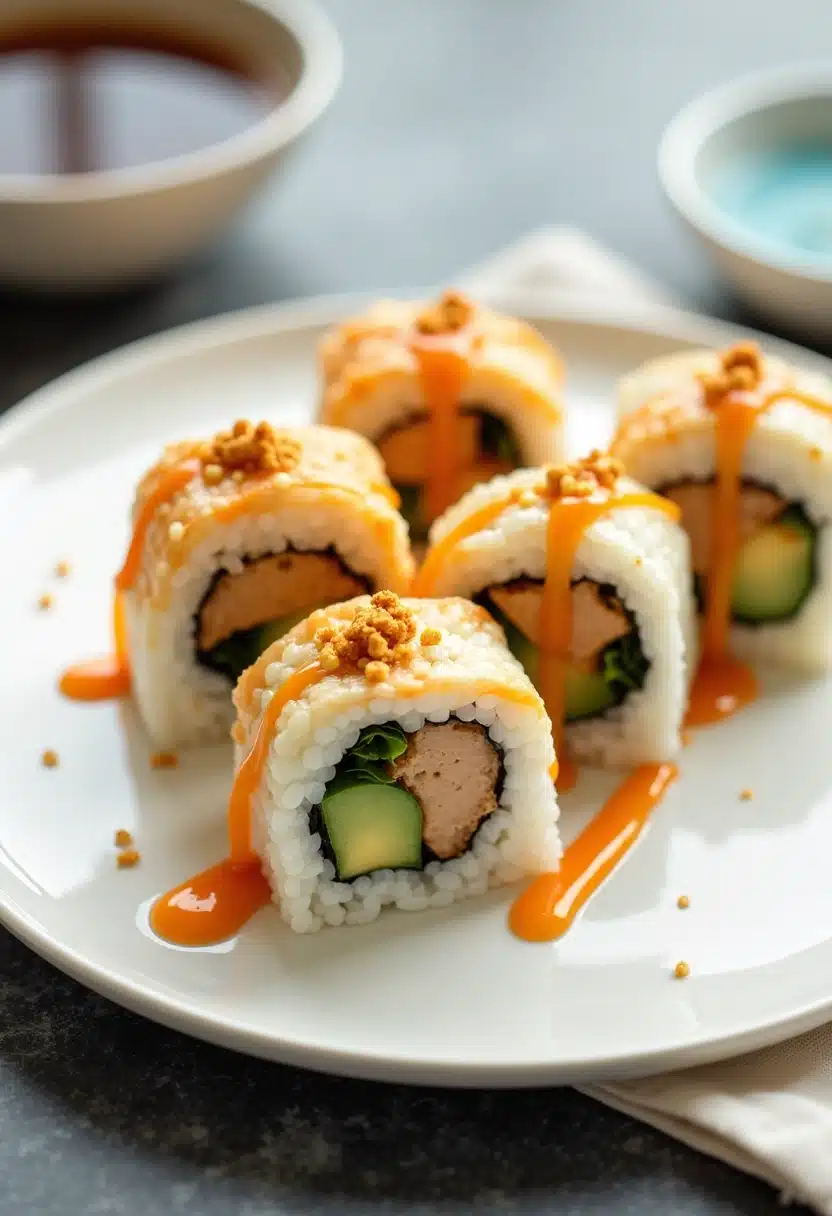
Create vibrant and delicious veggie sushi rolls with ease. Begin by preparing rice for sushi, which is the heart of every good sushi roll. Select fresh and crisp vegetables like cucumber, avocado, and bell peppers for an added crunch. I love experimenting with colorful fillings like pickled radishes, offering a tangy twist. Perfecting the roll technique might take a bit of practice, but it’s totally worth it.
Use a bamboo sushi mat to help you roll tightly, making sure each bite is packed with flavor. Arrange your vegetables creatively to create a visual appeal. When cut into bite-sized pieces, these sushi rolls become real eye-catchers at any gathering. For an extra touch, sprinkle sesame seeds on top for a subtle nuttiness. These rolls are not only easy to prepare but also carry an authentic Japanese taste.
Consider pairing your sushi rolls with soy sauce or wasabi to accentuate the flavors. Sharing this meal with others can be quite a fun experience. Plus, veggie sushi rolls are versatile, easily adapting to what’s in your fridge. Discovering new ingredients for your rolls makes every cooking session exciting. Enjoy the process and the delightful outcome of creating sushi at home!
Japanese Eggplant Stir-Fry

Discover the art of crafting a flavorful Japanese eggplant stir-fry that’s both quick and easy. Taking the time to properly prepare the eggplant enhances its natural flavor, offering a delectable base for Japanese sauces and seasonings. This dish is an ideal addition to any meal, providing a satisfying blend of textures and tastes that will surely please diverse palates.
Ingredients
- 2 medium Japanese eggplants
- 2 tablespoons vegetable oil
- 2 cloves garlic, minced
- 3 tablespoons soy sauce
- 1 tablespoon mirin
- 1 tablespoon sesame oil
- 1 teaspoon cornstarch mixed with 2 tablespoons water
- 2 green onions, sliced
- Sesame seeds for garnish
Instructions
- Slice the eggplants into thin rounds, about 1/4 inch thick.
- Heat vegetable oil in a large pan over medium-high heat.
- Add garlic and sauté for 30 seconds until fragrant.
- Introduce the eggplant slices, cooking until soft, about 5-7 minutes.
- Mix in soy sauce, mirin, and sesame oil; stir to coat the eggplant.
- Add the cornstarch slurry, stirring until the sauce thickens.
- Remove from heat and sprinkle with green onions and sesame seeds before serving.
Feel free to customize your stir-fry by adding other vegetables like bell peppers or snow peas. You can also adjust the soy sauce and mirin levels to match your personal taste. Enjoy creating variations that align with your preferences!
Okonomiyaki with Cabbage and Scallions

Unleash your creativity with vegetarian okonomiyaki, a savory Japanese pancake brimming with fresh cabbage and scallions. This dish comes together effortlessly on a griddle, creating perfect pancakes that are both nutritious and flavorful. Try experimenting with traditional toppings like mayonnaise, seaweed flakes, or pickled ginger to add layers of flavor and texture to this delightful dish.
Ingredients
- 2 cups shredded cabbage
- 2 scallions, thinly sliced
- 1 cup all-purpose flour
- 1 cup water
- 2 eggs, beaten
- 1 tablespoon vegetable oil
- Soy sauce and mayonnaise for serving
Instructions
- In a large bowl, mix the flour and water to form a smooth batter.
- Stir in the cabbage, scallions, and beaten eggs until well combined.
- Heat vegetable oil on a griddle over medium-high heat.
- Ladle the batter onto the griddle, spreading it evenly into a pancake shape.
- Cook each side for about 4-5 minutes, or until golden brown.
- Serve hot with soy sauce and a drizzle of mayonnaise.
This versatile pancake can be topped with ingredients like mushrooms or tofu for added variety. Adjust the consistency of the batter to your liking by adding more or less water. Pair your okonomiyaki with a bowl of miso soup for a complete meal. Enjoy experimenting with flavors and making it your favorite go-to recipe!
Japanese Pickled Vegetables

Experience the delicate art of creating tsukemono, or Japanese pickled vegetables. They are a vibrant and crunchy addition to your meals, providing a burst of flavor and a touch of Japanese tradition. Incorporating a variety of colorful vegetables such as cucumbers, daikon, and carrots can enhance both the flavor and aesthetics of your dish.
Pickling involves techniques like salt-based, vinegar-based, or miso-based methods, each imparting a unique taste. To achieve that signature Japanese flavor, balance sweet, savory, and a touch of tanginess. These pickles not only enrich your meal but also offer probiotics and other health benefits, adding to their appeal.
Don’t hesitate to try different vegetables, exploring seasonal varieties for freshness. As you master this skill, Japanese pickled vegetables can elevate your culinary repertoire, providing a delightful and nutritious contrast to rich, savory dishes. Engage your taste buds and enjoy the journey through Japanese pickle making!
Soba Noodles with Sesame Dressing
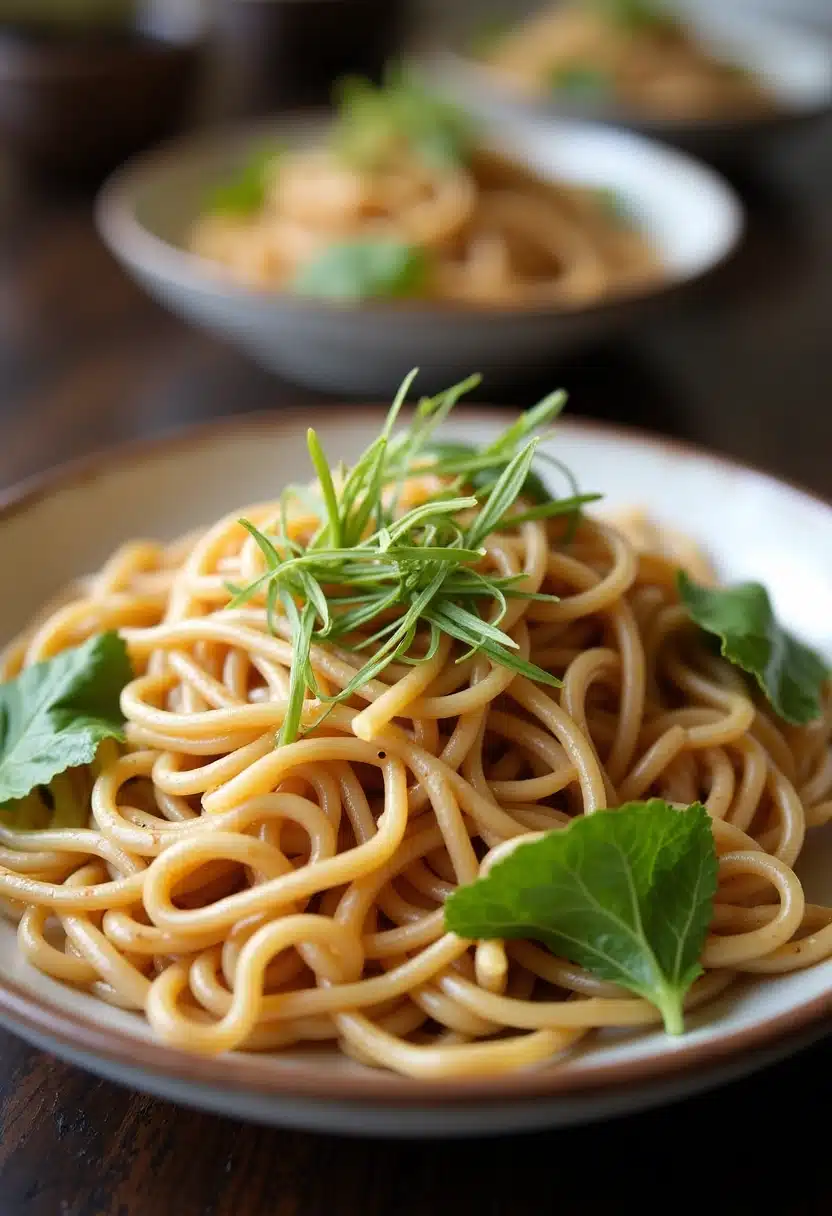
Dive into a delightful serving of cold soba noodles complemented by a creamy sesame dressing. This combination offers a refreshing and satisfying meal experience. Soba noodles, with their mild, earthy taste, perfectly balance the rich, nutty flavor of sesame dressing. Adding a splash of tanginess, the dressing elevates the dish, making it both complex and simple to prepare and enjoy.
Ingrédients
- 12 oz soba noodles
- 1/4 cup tahini
- 3 tablespoons soy sauce
- 2 tablespoons rice vinegar
- 1 tablespoon sesame oil
- 1 tablespoon sugar
- 1 cucumber, julienned
- 1 carrot, julienned
- 2 green onions, sliced
- Sesame seeds for garnish
Instructions
- Cook the soba noodles according to the package instructions, then rinse under cold water to cool.
- In a bowl, whisk together the tahini, soy sauce, rice vinegar, sesame oil, and sugar until smooth.
- Toss the soba noodles with the cucumber, carrot, and green onions in a separate bowl.
- Pour the sesame dressing over the noodles and vegetables, then mix well to coat everything evenly.
- Serve chilled, topped with sesame seeds for garnish.
Try adding seasonal vegetables like bell peppers or snap peas for extra crunch and color. This dish is not only nourishing but can also be prepared ahead of time, enhancing its flavors even more. Enjoy a taste of Japan with minimal effort!
Japanese Rice Balls with Seaweed
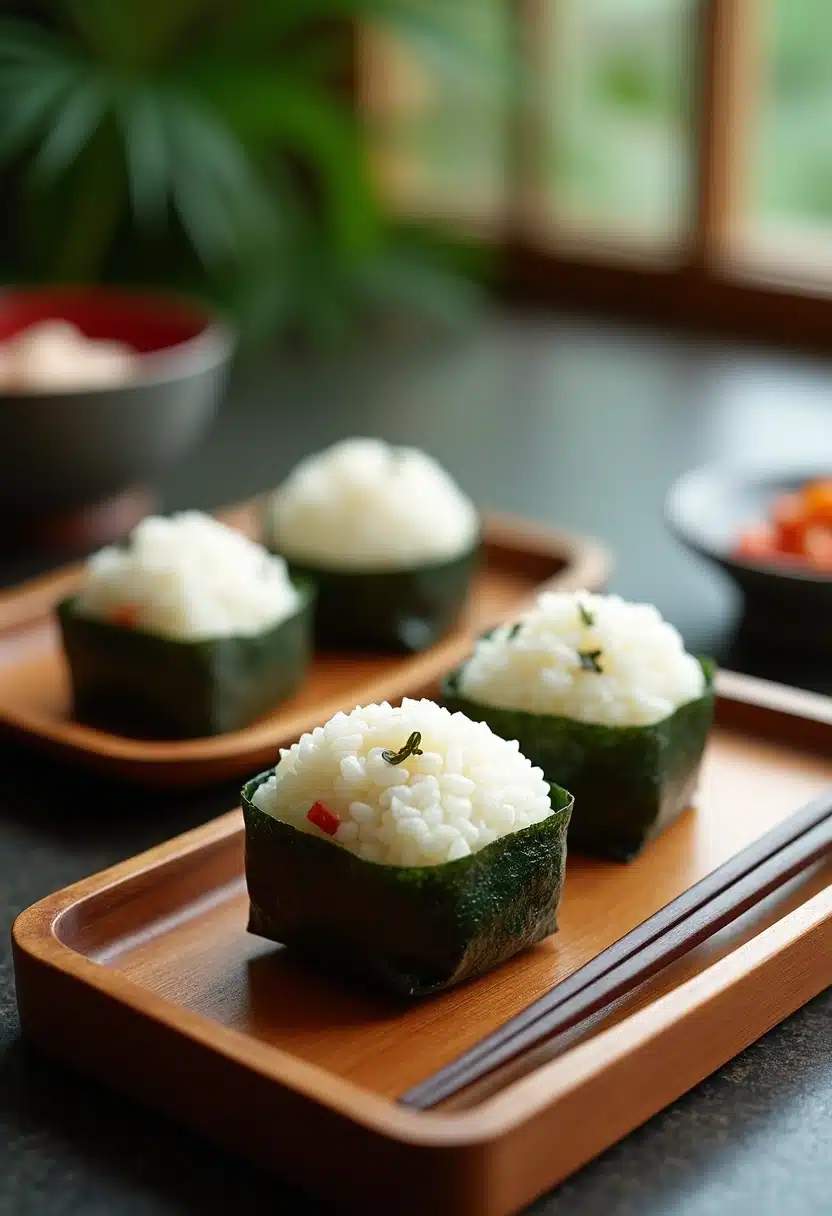
Embrace the art of making onigiri, the delightful Japanese rice balls, perfect for snacking on-the-go. Shaping these rice balls can be a meditative process that involves gently forming cooked rice around delicious fillings like umeboshi or seasoned seaweed. They are not only visually appealing but also provide a flavor-packed bite that is both filling and satisfying.
In Japan, onigiri holds a special place in the culinary heart, symbolizing comfort and tradition. While mastering the technique might take a bit of practice, it’s well worth it. Remember to wet your hands and sprinkle a bit of salt, as this helps shape the rice easily and adds a touch of flavor. Feel free to experiment with shapes and fillings until you find what brings you the most joy.
Whether you’re hosting friends in a bustling New York apartment or savoring a quiet afternoon at home, onigiri is an excellent dish to share or enjoy alone. They are versatile and can be customized to your taste by adding various fillings like avocado or shiitake mushrooms. These rice balls make for a wholesome and portable meal that complements the simplicity of rice with intriguing flavors.
Kabocha Squash Stew
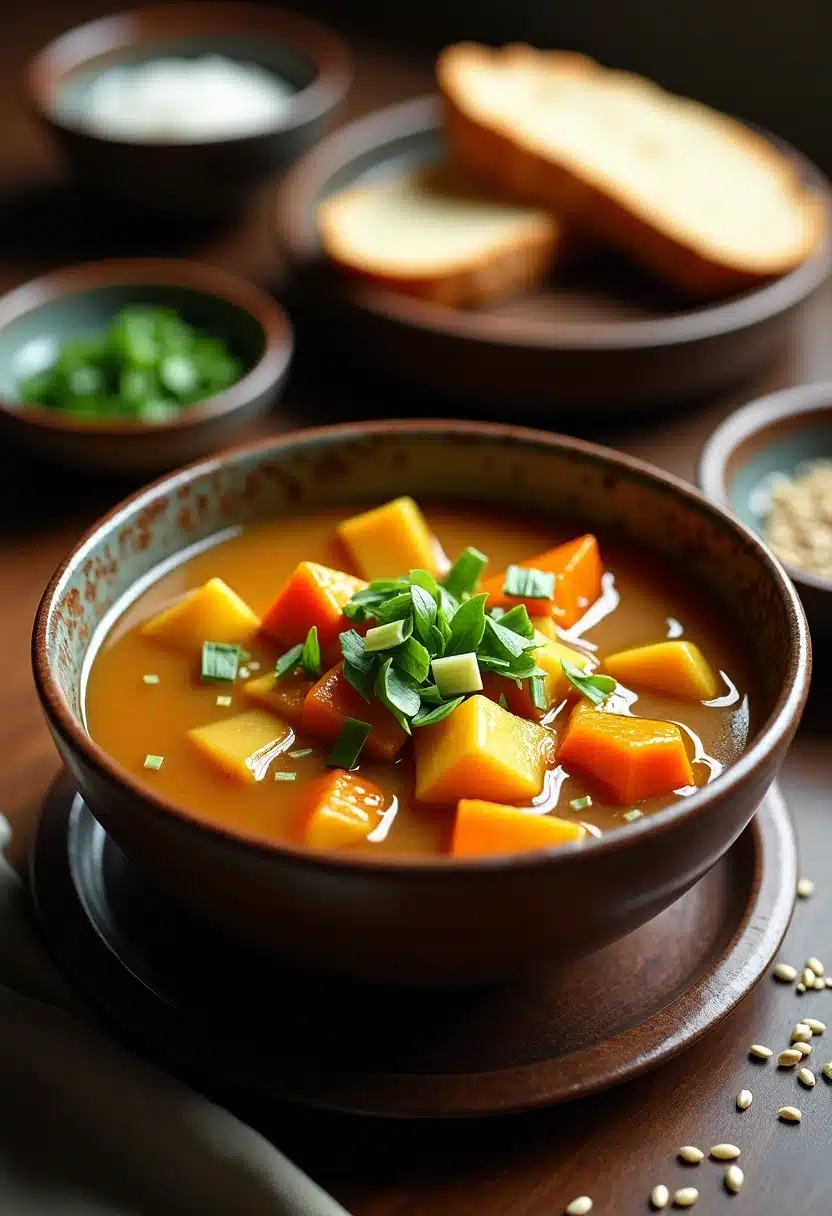
Embrace the comforting world of kabocha squash stew, a perfect dish for warming up in cooler months. Preparing kabocha squash might seem challenging at first, but its rich, sweet flavor paired with traditional Japanese seasonings creates a truly hearty meal. This stew offers a delightful combination of taste and texture that’s sure to please everyone at your table.
To enhance the stew’s versatility, consider adding your favorite vegetables or protein alternatives like tofu to make it more filling. You can customize it to personal preferences by adjusting the seasonings. Serve it with a bowl of rice or crusty bread to soak up the delightful broth. The dish not only warms you up but also adds a lovely touch of Japanese comfort to your dining experience.
For serving tips, garnish with freshly chopped green onions or a sprinkle of sesame seeds for an added layer of flavor and visual appeal. This nourishing stew is wonderful for gatherings, allowing guests to enjoy the unique taste of kabocha squash melded with delightful Japanese flavors. A truly satisfying dish that highlights the joy of cooking simple yet delicious meals.
Japanese Cucumber Salad
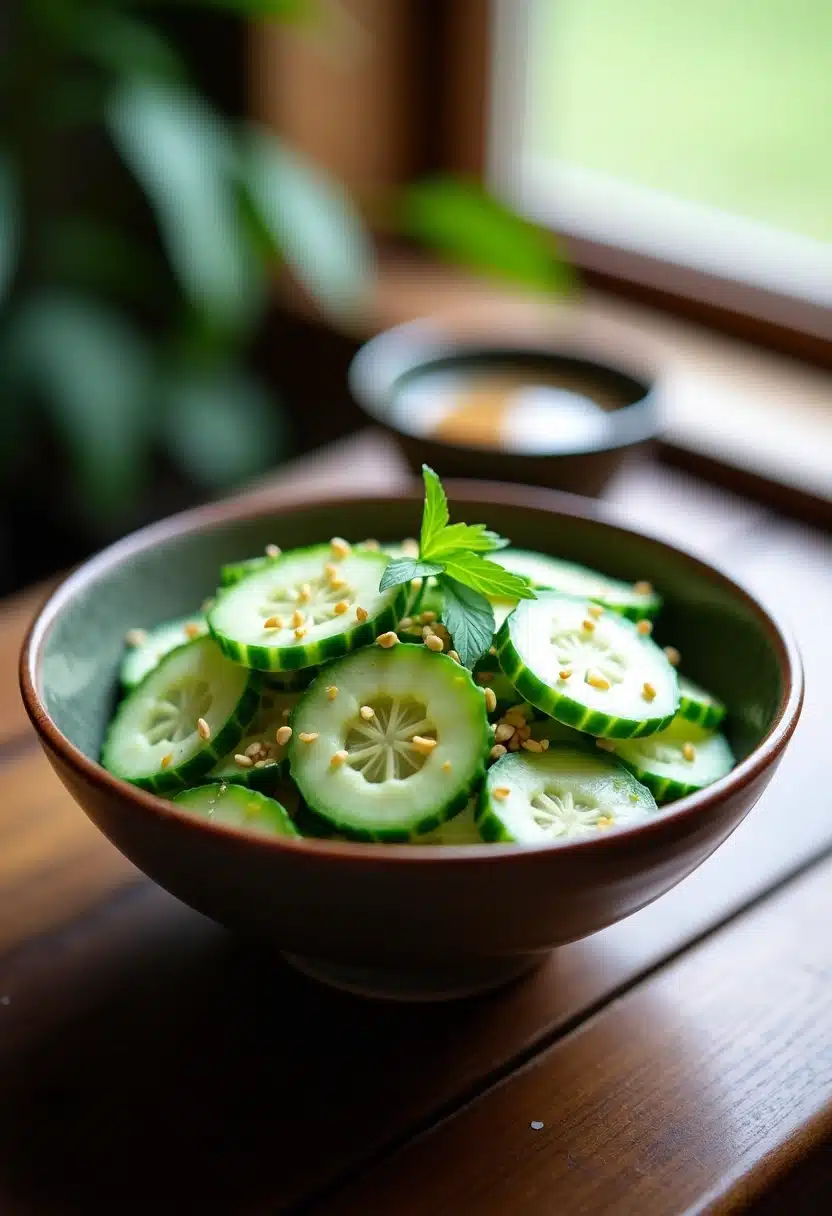
Create a light and refreshing Japanese cucumber salad, perfect as a side dish. This salad can be a delightful contrast to the hearty kabocha squash stew. It’s all about thin, even slices of cucumber, which can be achieved with a mandoline slicer or a sharp knife. The crunch of the cucumber is enhanced by a simple yet flavorful dressing that brings everything together beautifully.
Ingredients
- 2 Japanese cucumbers
- 1 teaspoon salt
- 2 tablespoons rice vinegar
- 1 tablespoon soy sauce
- 1 tablespoon sugar
- 1 teaspoon sesame oil
- 1 tablespoon sesame seeds
Instructions
- Slice the cucumbers thinly and sprinkle them with salt. Let them sit for 10 minutes, then rinse and drain thoroughly.
- In a bowl, mix the rice vinegar, soy sauce, sugar, and sesame oil to create the dressing.
- Toss the cucumber slices with the dressing, ensuring they are evenly coated.
- Sprinkle with sesame seeds before serving. Enjoy this refreshing salad as it complements your meal.
For a twist, you can add thin slices of daikon or sprinkle chili flakes for a little heat. Adjust the sweetness and sourness of the dressing to suit your taste. This salad pairs well with various dishes, adding a refreshing element.
Matcha Green Tea Ice Cream
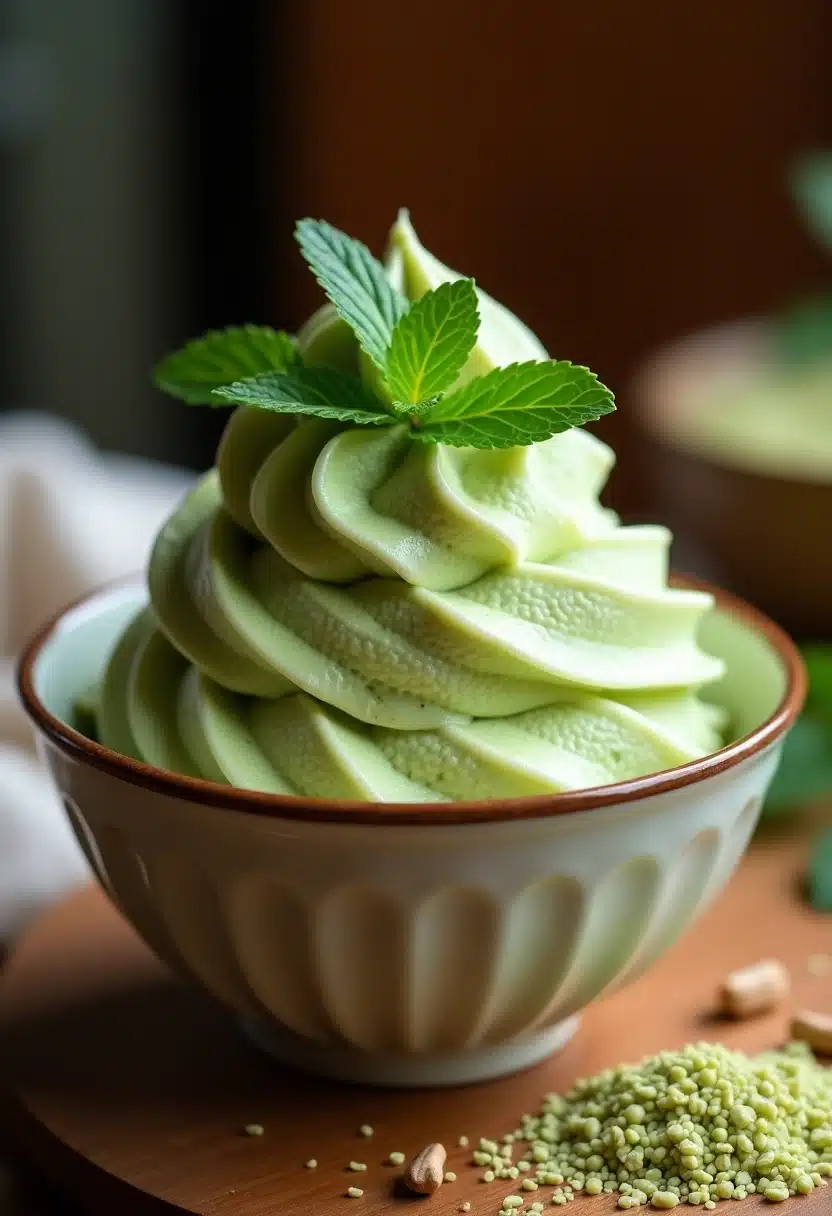
Finish your culinary journey with the delightful creaminess of Matcha Green Tea Ice Cream. Using matcha powder, this dessert introduces a vibrant green color and a slightly earthy flavor. Matcha’s unique taste complements the smooth, rich texture of the ice cream. It’s a refreshing treat that balances sweetness with the distinct characteristics of green tea.
To make this at home, you’ll need simple ingredients like milk, cream, sugar, and matcha powder. Ensuring the right balance between creaminess and flavor is key. Stirring the mixture continuously while creating the base ensures a smooth texture. Following these steps, you’ll craft a deliciously satisfying dessert.
For an extra touch, consider pairing it with mochi or a sprinkle of crushed nuts. The process is straightforward, making it an enjoyable kitchen adventure. Whether you’re hosting friends or savoring a quiet moment at home, this ice cream is a perfect choice. Enjoy the rich, nuanced flavors of matcha in every bite.
These 12 easy Japanese vegetarian recipes are perfect for adding variety and flavor to your meals. With simple ingredients and straightforward methods, you’ll impress family and friends while enjoying nutritious dishes. Dive into the vibrant world of Japanese cuisine and elevate your cooking journey with these delightful recipes. Try them out and share your culinary creations!
SEND THIS RECIPE TO YOUR EMAIL!
Enter your email and I’ll send it to your inbox. Plus, you’ll get new recipes every week!
12 Irresistible Vegetarian Japanese Recipes to Delight Your Taste Buds

Prep time: 30 min
Servings: not specified
Calories: 827Kcal
Cuisine: Japanese
Ingredients
2 medium Japanese eggplants,
2 tablespoons vegetable oil,
2 cloves garlic,
3 tablespoons soy sauce,
1 tablespoon mirin,
1 tablespoon sesame oil,
1 teaspoon cornstarch (mixed with 2 tablespoons water),
2 green onions,
Sesame seeds,
2 cups cabbage (shredded),
2 scallions,
1 cup all-purpose flour,
1 cup water,
2 eggs,
1 tablespoon vegetable oil,
Soy sauce,
Mayonnaise,
12 oz soba noodles,
1/4 cup tahini,
3 tablespoons soy sauce,
2 tablespoons rice vinegar,
1 tablespoon sesame oil,
1 tablespoon sugar,
1 cucumber (julienned),
1 carrot (julienned),
2 green onions,
Sesame seeds,
2 Japanese cucumbers,
1 teaspoon salt,
2 tablespoons rice vinegar,
1 tablespoon soy sauce,
1 tablespoon sugar,
1 teaspoon sesame oil,
1 tablespoon sesame seeds,
Instruction :
Heat vegetable oil in a large pan over medium-high heat. Add garlic and sauté for 30 seconds until fragrant. Introduce the eggplant slices, cooking until soft, about 5-7 minutes. Mix in soy sauce, mirin, and sesame oil; stir to coat the eggplant. Add the cornstarch slurry, stirring until the sauce thickens. Remove from heat and sprinkle with green onions and sesame seeds before serving. In a large bowl, mix the flour and water to form a smooth batter. Stir in the cabbage, scallions, and beaten eggs until well combined. Heat vegetable oil on a griddle over medium-high heat. Ladle the batter onto the griddle, spreading it evenly into a pancake shape. Cook each side for about 4-5 minutes, or until golden brown. Serve hot with soy sauce and a drizzle of mayonnaise. Cook the soba noodles according to the package instructions, then rinse under cold water to cool. In a bowl, whisk together the tahini, soy sauce, rice vinegar, sesame oil, and sugar until smooth. Toss the soba noodles with the cucumber, carrot, and green onions in a separate bowl. Pour the sesame dressing over the noodles and vegetables, then mix well to coat everything evenly. Serve chilled, topped with sesame seeds for garnish. Slice the cucumbers thinly and sprinkle them with salt. Let them sit for 10 minutes, then rinse and drain thoroughly. In a bowl, mix the rice vinegar,