
Uncover the Traditional Welsh Recipe and Bring Warmth and Joy to Your Table!

Welcome to a delightful culinary journey that promises to spice up your dining experience and satisfy your comfort food cravings! In this post, we dive into the heartwarming world of traditional Welsh cuisine—a treasure trove of flavors that has been bringing families together for generations.
Imagine a dish that is not just about the ingredients but also about heritage, nostalgia, and the joy of sharing—the Welsh does exactly that. Originating from the cozy pubs of North France and the rustic hearths of Wales, this dish is a celebration of simple yet robust ingredients that create a symphony of warmth in every bite. Gather around, as we unfold the secrets of preparing a scrumptious Welsh that will have everyone at your table asking for seconds!

The Rich Heritage of Welsh Recipes
Delve into the historical tapestry that has woven the unique and savory Welsh recipes we relish today. These culinary creations, steeped in tradition, offer a window into the past, merging both native and external influences.
Origins and Evolution
The genesis of Welsh cuisine can be traced back to the simple and hearty meals of medieval Welsh communities. Initially, these dishes were characterized by their practicality, designed to sustain the local people through their arduous daily tasks. Ingredients such as leeks and lamb, which were readily available locally, became staples of the Welsh diet.
Over time, Welsh recipes began to evolve, particularly as trade routes expanded. The introduction of spices and new methods by neighboring countries added depth and variety to Welsh food, enriching the local palate significantly.
Cultural Influences
Celtic traditions have profoundly impacted Welsh cuisine, emphasizing the importance of communal eating and seasonal foods. This is seen in dishes such as cawl, a stew that can include any available meat and vegetables, reflecting the Celtic ethos of using what the land provides.
Moreover, historical periods such as the industrial revolution brought about significant changes. The demand for quick, easy-to-prepare foods grew as urbanization increased. This led to adaptations in traditional recipes, making them simpler and more accessible to the changing lifestyles of the Welsh people.
Charming Anecdotes
Welsh cuisine is also rich with stories. For instance, the beloved Welsh rarebit, which is essentially cheese on toast, was humorously dubbed as a “poor man’s” meal. It was said that people who couldn’t afford meat used melted cheese as a replacement, leading to the creation of this iconic dish that’s still enjoyed worldwide.
Another interesting tale is about the Welsh cake, originally cooked on a bakestone. During the late 19th century, these cakes were popularly prepared for miners as a sweet treat that could easily be packed and eaten while working.
Fusion and Modern Adaptations
In contemporary times, Welsh cuisine continues to innovate while maintaining its roots. Chefs and home cooks alike experiment by introducing contemporary cooking techniques and worldwide flavors to traditional dishes, thus keeping them relevant in today’s global culinary scene.
The timeless nature of Welsh recipes underscores a cultural dialogue between the past and the present, showcasing a cuisine that is both richly historic and excitingly evolving.
Traditional Welsh Rarebit – A Joyful Addition to Any Gathering
Imagine the delight of your guests as they dig into a cheesy, savory treat that’s a staple in Welsh cuisine. Welsh Rarebit is not just a dish, but a heartwarming experience that turns simple ingredients into something spectacular. Here’s how you can bring this traditional Welsh joy to your table:
Ingredients:
- 3 tablespoons unsalted butter
- 3 tablespoons all-purpose flour
- 1/2 cup dark beer (preferably a stout or porter)
- 2 teaspoons Worcestershire sauce
- 1 teaspoon mustard powder
- 1/4 teaspoon cayenne pepper
- 1/4 teaspoon salt
- 1 and 1/2 cups grated sharp cheddar cheese
- 4 slices of thick-cut crusty bread
Preparation Method:
The beauty of Welsh Rarebit lies in its simple preparation that leads to a rich and comforting result.
- Melt the butter in a medium saucepan over medium heat. Stir in the flour and cook, stirring constantly to create a roux, until the mixture is smooth and just begins to turn golden.
- Add the beer gradually, followed by the Worcestershire sauce, mustard powder, cayenne pepper, and salt. Stir continuously until the mixture is smooth and thickened.
- Reduce the heat to low and add the grated cheese a little at a time, stirring until the cheese melts and the sauce is smooth and velvety.
- Toast the slices of bread until golden and crispy. This not only adds texture but also ensures that the bread holds up against the creamy topping.
- Pour the cheese sauce generously over each slice of toast, making sure each piece is amply covered.
- Broil in the oven for a few minutes, or until the topping is bubbling and starts to brown. Watch closely to prevent burning.
Tips for Perfection:
- Quality of cheese: Opt for high-quality aged cheddar as it melts well and adds a depth of flavor that is pivotal to this dish.
- Serving suggestion: Serve immediately after broiling to enjoy the gooeyness of the cheese and the crispiness of the toast. Perfect as a warm snack or a hearty appetizer.
- Drink pairing: Pair Welsh Rarebit with a glass of stout or porter to complement the flavors in the dish.
Welcome warmth and conviviality into your gatherings with this delightful Welsh classic. The simplicity and richness of Welsh Rarebit make it not just a meal, but a joyous celebration of traditional Welsh flavors.
Revamping Traditional Welsh Recipes for Modern Kitchens
Ready to sprinkle some historical charm into your daily meals with a dash of modern flair? We’ve got you covered! Here are some delightful ways to integrate traditional Welsh recipes into your contemporary cooking routine, with a few twists that’ll excite both the young and the young-at-heart in your family.
1. Quick and Easy Welsh Rarebit Muffins
For a swift and delightful breakfast or snack, transform the classic Welsh Rarebit into handy muffins. Simply combine grated cheddar cheese, a bit of mustard, and whisked eggs with tiny pieces of crisp bacon (optional for the vegetarians). Divide the mixture into muffin tins and bake until risen and golden. It’s the perfect grab-and-go treat!
2. Glamorgan Sausage with a Twist
The traditional Glamorgan sausage, a delectable vegetarian delight, can be modified for today’s palate. Mix leeks and cheese with herbs and breadcrumbs. Add a cheeky spice with some finely chopped chillies or a pinch of cumin for an international touch. Shape them into sausages or even bite-sized balls for a perfect party platter.
3. Contemporary Cawl with Seasonal Vegetables
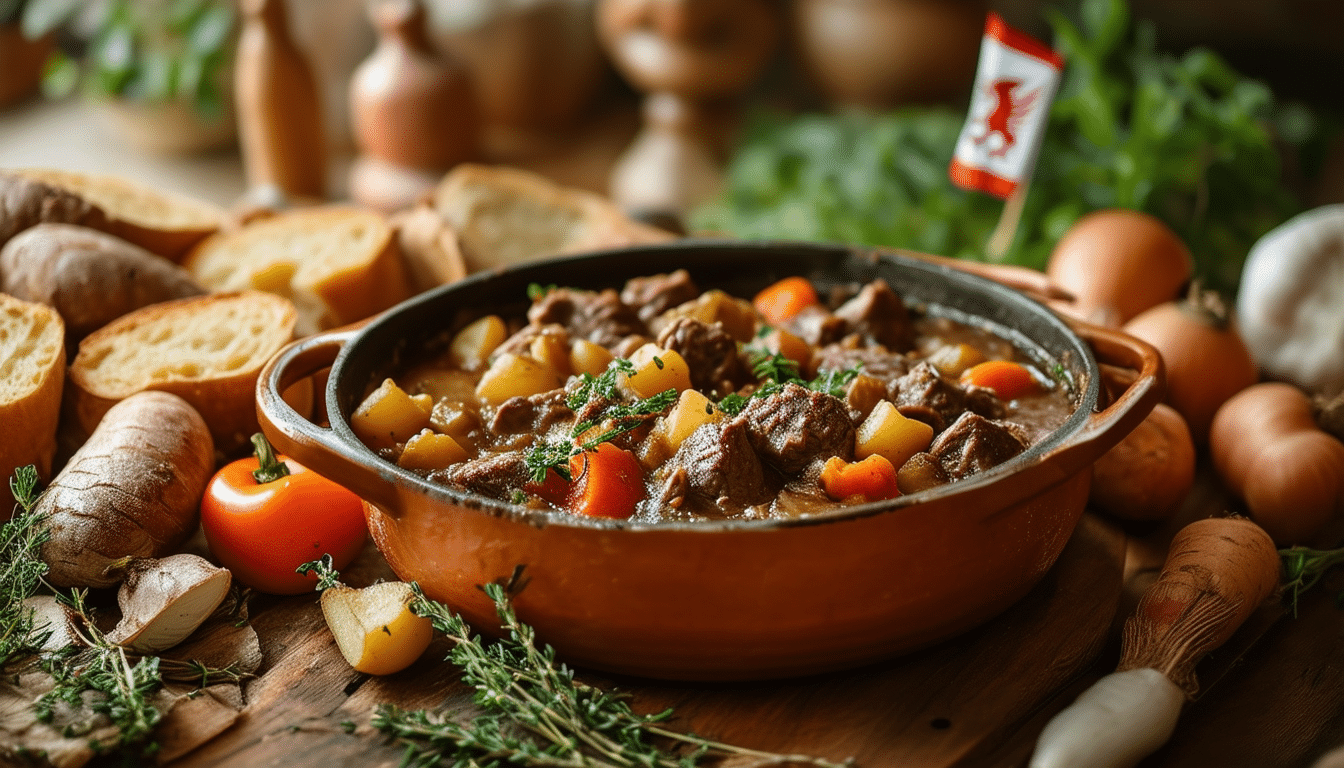
This hearty Welsh stew can be tailored to whatever’s in season. While traditionally made with lamb, why not try a vegetarian version using sweet potatoes, parsnips, and swede? Serve with a dollop of creamy vegan yogurt and fresh herbs to blend tradition with today’s dietary preferences.
4. Bara Brith – Tea Infused Fruit Loaf
Rework this classic tea time treat by using a variety of teas for infusing the dried fruits. Think beyond the usual with earl grey or chai for an aromatic twist. Serve slices of this rich loaf with a modern spin of honey butter or mascarpone.
5. Welsh Leek and Cheese Pasta
Adapt the natural pairing of leeks and cheese into a sumptuous pasta dish. Sautee leeks until tender, blend with creamy cheese sauce, and toss with your favorite pasta. Top with toasted breadcrumbs and maybe even a sprinkle of Welsh cheddar for a quick dinner that’s both comforting and chic.
Cooking Tips for Modern Welsh Dishes
- Use fresh, local ingredients to enhance the flavors of your dishes.
- Don’t shy away from experimenting with spices and international ingredients to give a new dimension to traditional recipes.
- When planning meals, think of vegetarian and vegan variations to cater to all dietary preferences in your household.
- Your oven is your best friend! Many traditional Welsh dishes can be adapted to become baked versions to save time and ease cooking.
With these tips and modern takes on classic Welsh recipes, your kitchen will become a joyful blend of past and present, ensuring meal times are both nutritious and steeped in culture. Enjoy the culinary adventure!
Embracing tradition in the kitchen isn’t just about preparing meals; it’s about stirring memories and crafting dishes that have been passed down through generations. The rich, heartwarming essence of traditional recipes like the Welsh offers a unique taste of culinary history bringing people together. It’s more than a meal; it’s a celebration of culture and heritage. We invite you all to dive into the world of traditional cooking with this Welsh recipe, experiencing the comfort and joy that traditional flavors can bring to your table. Roll up your sleeves and let the old-world charm enchant your modern kitchen!