
15 Healthy Food Swaps to Effortlessly Upgrade Your Diet with Tasty Alternatives
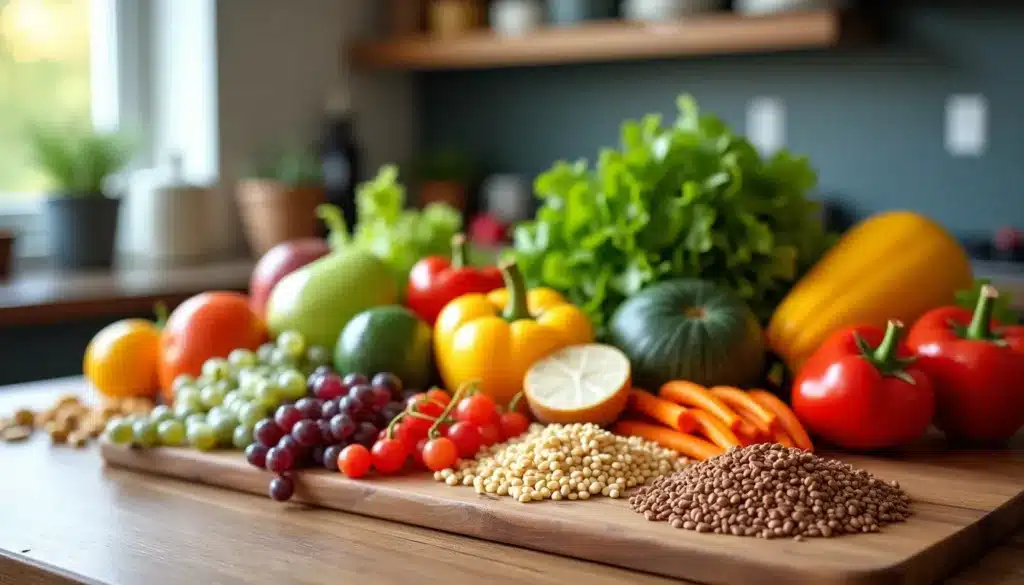
Discovering how to transform your meals with simple, healthy substitutions can feel empowering at any stage of life. Whether you’re streamlining your weekly meal plans or sharing nutritious meals with friends, these 15 easy swaps provide delicious alternatives to common ingredients. Embrace the opportunity for healthier cooking with versatile options that enhance flavor and promote well-being.
Greek Yogurt Instead of Sour Cream

Greek yogurt is a wonderful alternative to sour cream. I remember the first time I tried using Greek yogurt in my cooking, I was amazed at how well it worked. Packed with protein, it provides the same silky texture while being low in fat. The slight tang adds a delightful twist to various dishes. It’s become a staple in my kitchen, especially when aiming for something healthy yet delicious.
You can replace sour cream with Greek yogurt in numerous recipes. Consider using it in creamy dips or as a topping for baked potatoes. The richness of the yogurt complements perfectly with herbs or spices, enhancing the overall dish without overpowering it. I’ve even used it in my chili recipes, and it never disappoints. It’s amazing how this one swap can elevate meals to the next level.
Integrating Greek yogurt might seem like a small change, but its impact is significant. Besides adding protein and reducing fat, it brings a unique flavor that refreshes familiar dishes. Whether you’re cooking for yourself or hosting guests, this simple substitution can make meals healthier and tastier. This subtle yet powerful swap aligns with a balanced diet, offering health benefits while keeping your meals exciting.
Mashed Avocado for Butter on Toast

Avocado is a delicious and nutritious alternative to butter on toast. It’s rich in healthy fats and fiber, supporting heart health and keeping you full longer. Simply mash a ripe avocado to create a creamy spread that can easily replace butter. If you’re looking for an extra flavor kick, try adding a pinch of salt or pepper.
This substitution fits effortlessly into any busy or health-conscious lifestyle. I love squeezing a bit of lemon over the mashed avocado for a refreshing twist. Not only does it enhance the taste, but it also adds a nice touch of citrus. This simple swap can transform your breakfast into a nutritious delight.
Don’t hesitate to customize your mashed avocado toast with toppings like tomatoes or radishes. These additions bring vibrant colors and flavors to your plate. Whether you’re enjoying a quick breakfast or a brunch with friends, this easy change invites creativity while keeping meals wholesome and satisfying.
Zucchini Noodles Instead of Pasta

Zucchini noodles, or “zoodles,” are a fantastic low-carb alternative to traditional pasta. They offer a delicious way to cut down on calories while still enjoying your favorite Italian dishes. To create zoodles, simply use a spiralizer on fresh zucchini. It’s a quick process, perfect for those busy days when you crave something light yet fulfilling.
Cooking zoodles is incredibly easy. Sauté them in a bit of olive oil until they’re just tender, but still retain a slight crunch. Pair your zoodles with the pasta sauce of your choice—marinara, pesto, or garlic-butter all work beautifully. This combination creates a delightful and satiating meal, all the while keeping your meal healthy.
I’m always amazed by how versatile zoodles can be. The first time I made them, I was hosting a weeknight dinner for friends, and they loved the new twist on pasta. Since then, zucchini noodles have become a staple in my meal planning. They not only offer variety but keep meal preparations exciting and fresh.
Cauliflower Rice Instead of White Rice

Cauliflower rice is a versatile and low-calorie substitute for white rice. It’s an excellent choice for anyone watching their carb intake without sacrificing flavor or satisfaction. To make it, simply grate cauliflower florets or pulse them in a food processor until they resemble rice grains. This makes a perfect base for stir-fries or as a curry companion, adding a nutritious twist to any meal.
Once you’ve prepared the cauliflower rice, quickly sauté it in a pan with a bit of olive oil for a few minutes. This ensures a tender texture, ideal for absorbing other flavors. With its mild taste, cauliflower rice pairs well with almost any dish, seamlessly replacing traditional white rice in recipes like fried rice or pilafs.
For those looking to impress guests or simply enjoy a delicious meal, cauliflower rice is a smart choice. It’s not just about reducing calories; it’s about adding a nutrient boost to your plate. Plus, this substitution requires minimal effort, making it perfect for both busy urban professionals and those enjoying a leisurely retirement. Experiment with spices and herbs for endless culinary possibilities!
Almond Milk Instead of Dairy Milk
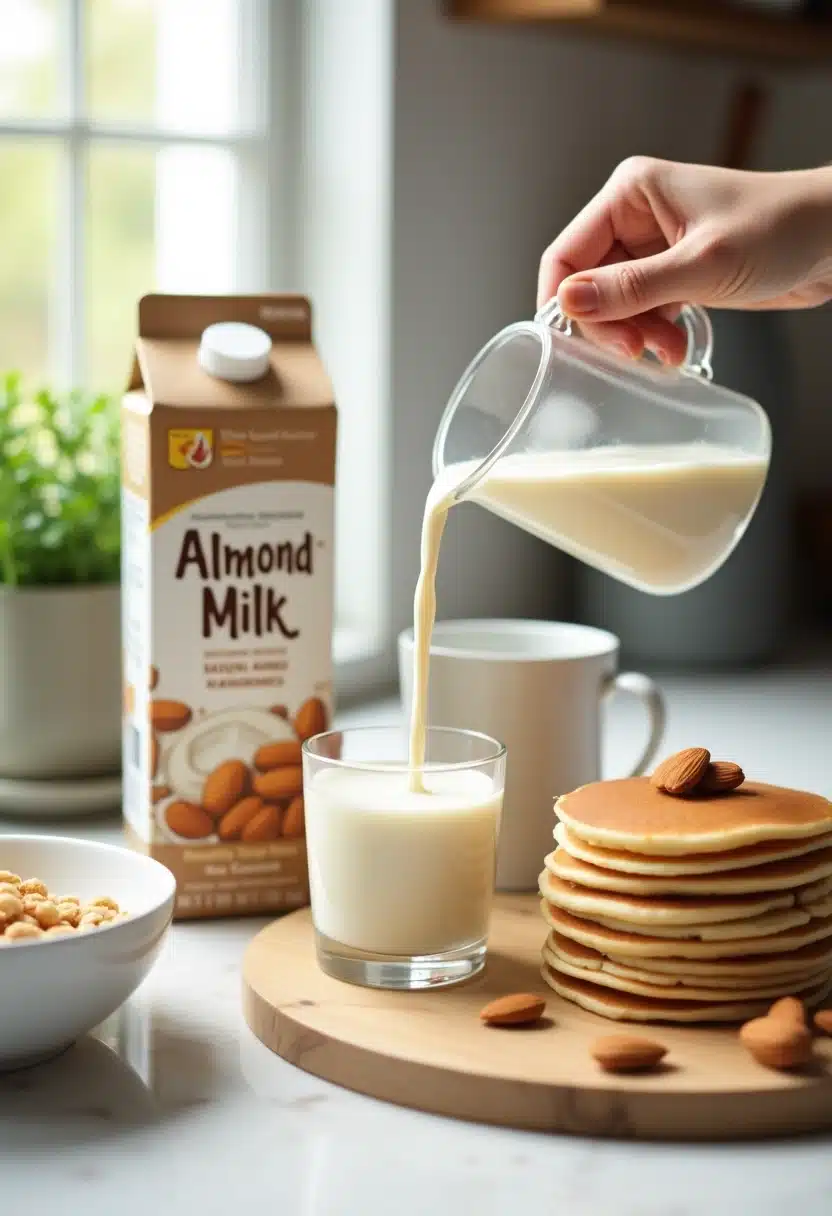
Almond milk offers a creamy, dairy-free way to lighten your daily consumption. With fewer calories than regular milk, it’s perfect for those mindful of their intake. Whether I’m adding it to my morning cereal, blending it into smoothies, or using it to mellow my coffee, almond milk provides a smooth flavor that complements any meal or beverage effortlessly.
It’s also a versatile choice for those who love to bake or cook but need a dairy-free option. From pancakes to savory dishes like creamy sauces, almond milk serves as a fantastic alternative. I’ve found it particularly beneficial when hosting gatherings, as it caters to friends with lactose intolerance without compromising on taste.
Switching to almond milk not only supports a balanced diet but also enriches flavors in various recipes. Few ingredients transform everyday dishes as seamlessly as almond milk. Whether exploring new recipes or sticking with traditional ones, integrating almond milk keeps meals deliciously exciting and health-conscious.
Quinoa Instead of Couscous

Quinoa stands out as a complete protein source, unlike couscous, making it a superior choice for those prioritizing nutrition. With its nutty flavor and fluffy texture, quinoa can replace couscous in various dishes seamlessly. Cook it following package instructions, and enjoy it in salads, as a side dish, or in nourishing bowls.
The versatility of quinoa doesn’t stop there. Its adaptability to different flavors and cuisines makes it a go-to for many home cooks. Whether you’re creating a vibrant Mediterranean salad or a warm winter bowl, quinoa complements an array of ingredients. It’s an excellent staple for folks seeking quick and nutritious meal solutions.
Add extra flair to your dishes by spicing up quinoa with herbs and spices or by incorporating seasonal vegetables for added color and texture. For busy professionals and active retirees, this simple substitution elevates meals, providing a satisfying yet healthy alternative. Quinoa’s benefits go beyond protein, offering fiber and essential nutrients to your diet.
Spaghetti Squash Instead of Spaghetti

Spaghetti squash is a game-changer for pasta lovers looking to cut down on carbs. It’s a great substitute for spaghetti, offering a similar texture without the high carb count. Roasting this squash is simple: slice it in half, remove the seeds, and roast until tender. Once cooked, scraping the flesh with a fork will yield those delightful, spaghetti-like strands perfect for any dish.
Once your spaghetti squash strands are ready, consider topping them with your favorite sauces. Marinara, pesto, or even a simple garlic and olive oil mix work beautifully. This swap not only cuts down on carbs but also adds a subtle sweetness to your meal, creating a perfect flavor balance. Try serving it with a fresh salad for an absolutely wholesome meal.
For those with guests or family gatherings, serving spaghetti squash is a surefire way to impress without extra effort. It’s not just healthier, but also brings a unique twist to traditional pasta dishes. Whether you prefer it plain or with toppings, spaghetti squash is versatile and delightful for all your meal prep needs.
Lettuce Wraps Instead of Tortillas

Using lettuce wraps offers a fresh, low-carb alternative to tortillas, making them a great fit for both quick lunches and elegant dinners. They bring a satisfying crunch that complements a variety of fillings, whether it’s tacos, burgers, or your favorite sandwich ingredients. This swap is not only flavorful but also helps you stay on track with a balanced diet by reducing carb intake.
If you’re like me, you might enjoy experimenting with different fillings. Try mixing some grilled chicken, avocado, and a dash of lime for a zesty taste. Or, if you have a sweet tooth, go for some turkey and cranberry sauce. The versatility of lettuce wraps embraces creativity in the kitchen, allowing you to customize each meal to your liking.
To make the most of lettuce wraps, choose large, sturdy leaves like romaine or butter lettuce, which hold ingredients well without tearing. You’ll find that transforming your wraps this way might become your favorite weekday dinner ritual. Not only do they look beautiful, but they also encourage healthier eating habits by showcasing fresh ingredients in every bite.
Coconut Oil in Place of Butter

Coconut oil is an excellent alternative to butter, packing a punch as a heart-healthier fat. This swap is perfect for those seeking to incorporate more nutrient-dense ingredients into their meals. The oil’s naturally sweet, nutty flavor can enhance a variety of dishes, bringing a subtle tropical twist to your culinary creations without overwhelming the palate.
To make the most of coconut oil, try using it in place of butter in your baking. Whether you’re whipping up brownies or cookies, coconut oil keeps baked goods moist and delicious. It’s even a fantastic choice for sautéing vegetables, where its unique taste can complement a range of spices, allowing you to experiment with new flavor combinations.
If you’re unsure about the conversion, substitute coconut oil for butter using a 1:1 ratio. Melt the oil first for easy measuring. It’s a versatile change that adds nutritional value and pairs wonderfully with sweet and savory dishes alike. This change not only supports a healthier lifestyle but also adds an intriguing essence to familiar meals.
Black Beans Instead of Flour in Brownies

Black beans are a fantastic substitute for flour in brownies, providing a gluten-free option that’s also loaded with protein. When you use pureed black beans instead of flour in your brownie mix, you end up with brownies that are not only moist and fudgy but also packed with fiber. It’s a great way to enjoy a favorite dessert while boosting its nutritional profile.
To try this substitution, simply puree a can of black beans, drained and rinsed, and incorporate it into your brownie mix. You’ll be surprised at how well the beans blend, offering a rich texture without altering the classic brownie taste. This switch is perfect for anyone looking to enjoy a tasty treat with a healthier twist, supporting both dietary needs and flavor preferences.
For those who might be skeptical, rest assured that the beans don’t overpower the brownies. Instead, they contribute a deep, indulgent texture and taste, making them a guilt-free delight you can enjoy anytime. This little kitchen hack can become a staple in your baking routine, just like nutritional yeast offers a cheese-like flavor in plant-based dishes.
Nutritional Yeast for Cheese Flavor

Nutritional yeast offers a deliciously cheesy flavor without any dairy, making it a fantastic choice for those avoiding cheese. B-Vitamins abound in this little powerhouse, bringing a nutritious boost to your meals. It’s incredibly versatile, and you can easily incorporate it into various dishes. Just sprinkle it over your popcorn for a savory treat, or mix it into your pasta for a creamy taste sensation that rivals traditional cheese.
Adding nutritional yeast to your salads elevates the flavor profile and adds a velvety consistency. It works just as well in dressings, casseroles, and soups, subtly enhancing them with that characteristic umami flavor. If you’re a fan of creamy sauces, you won’t miss the cheese with nutritional yeast as a substitute! Adjusting to a healthier diet is simple with this ingredient.
Embrace the rich taste and nutritional benefits of nutritional yeast in your journey to healthier eating. Its adaptability in cooking is sure to keep both your taste buds happy and your meals nutritious. Whether you’re hosting dinner or preparing a quick family meal, nutritional yeast can be your easy, flavorful solution. Enjoy experimenting with this cheesy wonder in your next dish, and savor the healthful twist it brings.
Chia Seeds Instead of Eggs in Baking

Chia seeds are a fantastic alternative to eggs, particularly for those who follow a vegan lifestyle or seek to reduce dairy. They serve as a natural binding agent in the baking process. This swaps out the cholesterol found in eggs while enriching your dish with omega-3 fatty acids and fiber. When mixed with water, chia seeds thicken into a gel-like texture, perfect as a binding substitute.
To replace eggs with chia seeds, simply combine one tablespoon of chia seeds with three tablespoons of water. Allow this mixture to rest for several minutes until it achieves a gel consistency. You can use this substitute in a variety of baked goods like cookies, cakes, or pancakes, making your treats not only egg-free but also adding a nutritional boost. It’s an easy swap that doesn’t compromise flavor or texture.
Experimenting with chia seeds can enhance your baking adventures while maintaining the same delightful taste and texture. For those who balance career and family, or wish to impress in the kitchen without fuss, chia seeds offer simplicity and nutritional value. Their adaptability means they’re a great fit even for those who enjoy traditional recipes or seek healthier options.
Baked Sweet Potatoes Instead of White Potatoes

Baked sweet potatoes offer a delightful and nutrient-dense option as a substitute for white potatoes. They pack a punch with vitamins, fiber, and vibrant color. Whether roasted, baked, or mashed, sweet potatoes bring a natural sweetness and richer texture, elevating your dishes effortlessly. They’re perfect for a health-conscious lifestyle, adding depth and flavor while meeting your nutritional needs.
To incorporate sweet potatoes into your meals, try using them just like white potatoes. You can slice them into fries and roast them with a sprinkle of your favorite herbs, or bake whole sweet potatoes for a simple, satisfying side. For a comforting dish, mash them with a hint of butter and cinnamon for a warming accompaniment to your main course.
Honey or Maple Syrup Instead of Sugar

Natural sweeteners like honey and maple syrup bring a delightful depth to your dishes, far beyond what plain sugar offers. They integrate effortlessly into breakfasts, desserts, and beverages. Picture adding a drizzle of maple syrup to your morning oatmeal or enriching a cup of afternoon tea with a spoonful of honey. It’s a subtle shift that elevates everyday meals with ease.
When baking, swap sugar for honey or maple syrup, which enhances flavor and moisture. Think muffins with a hint of honey or cookies kissed with maple’s caramel-like sweetness. This simple exchange not only reduces refined sugar intake but adds nutritional value, offering antioxidants and minerals. It’s a change worth embracing for those interested in infusing wholesome ingredients into their diet.
Remember to adjust your recipes slightly, as these sweeteners are more liquid than sugar. Begin by using a bit less of your usual liquid ingredients when making the switch to ensure your baked treats maintain their structure. Enjoy exploring these changes that transform meals into nourishing culinary experiences.
Whole Wheat Flour Instead of White Flour
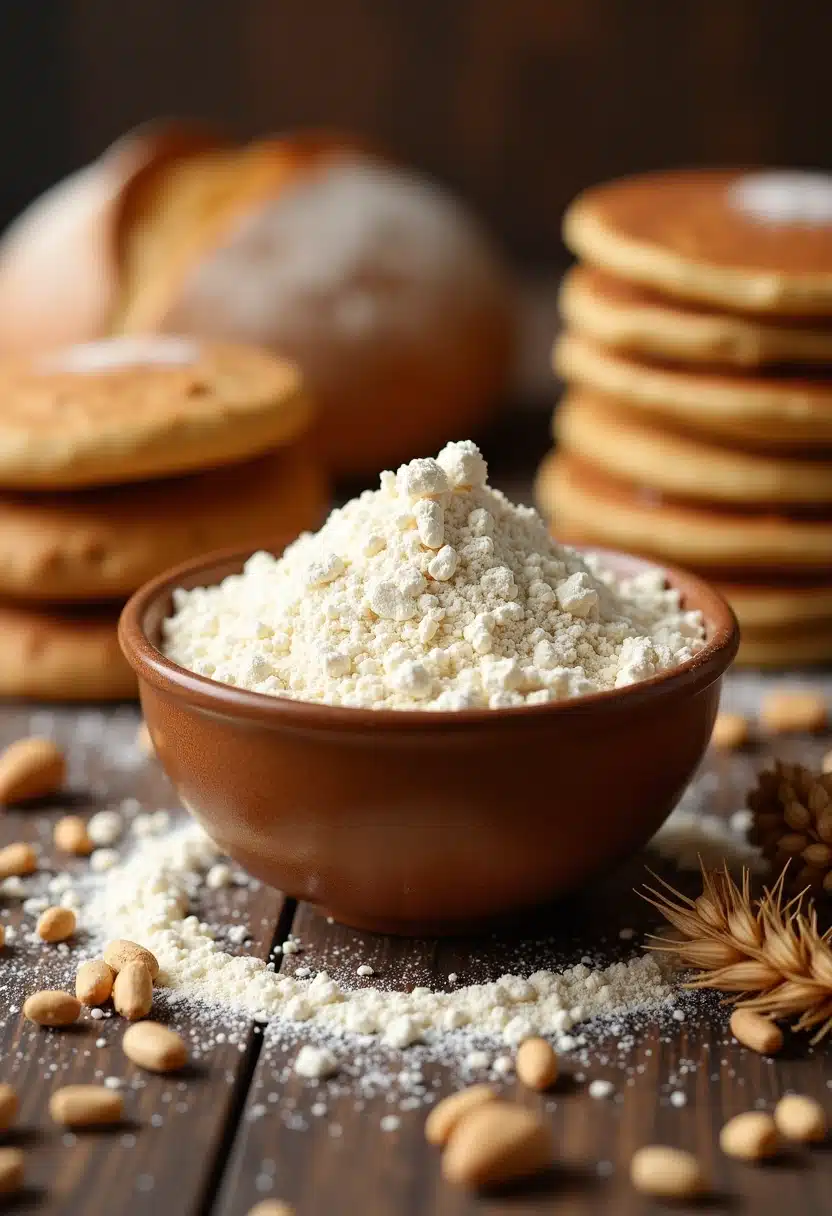
Swapping white flour for whole wheat flour is a simple way to enhance the nutritional value of your baked goods. Whole wheat flour is packed with more fiber and essential nutrients than its white counterpart. This not only supports digestive health but also offers a heartier flavor and texture to your recipes. You’ll feel good knowing you’re making a healthier choice.
To ease into this substitution, start by replacing half of the white flour with whole wheat in your favorite baking recipes. This gradual shift allows you to get accustomed to the change in texture and taste without dramatically altering your dish. It’s perfect for everything from cookies to pancakes, offering a subtle nutty flavor that blends beautifully with sweet and savory ingredients.
With whole wheat flour, you can still enjoy all your favorites with a nutritious twist. Keep in mind that whole wheat can sometimes make baked goods denser. If you’re after a lighter texture, try using whole wheat pastry flour, which is finer and keeps the lightness of your baked creations. Whether you’re baking for a crowd or just for yourself, these minor changes can make a major difference in your diet.
By integrating these 15 simple food substitutions, you’ll elevate your meals to be both healthier and delicious. Each swap offers nutritious benefits without sacrificing taste or time in the kitchen. Try these easy adjustments today and enjoy a more vibrant diet. Share your culinary success and stay tuned for more healthy inspiration from our recipes!